I just finished a product launch that consumed months of my life. Every fiber in my body wants to dive into the next project immediately. The momentum feels too valuable to waste. But sitting here at my desk, I know better. The hardest lesson I’ve learned about growth is this: it doesn’t happen during the push. It happens during the pause. Rest is not the absence of progress. It is the foundation of all sustainable progress.
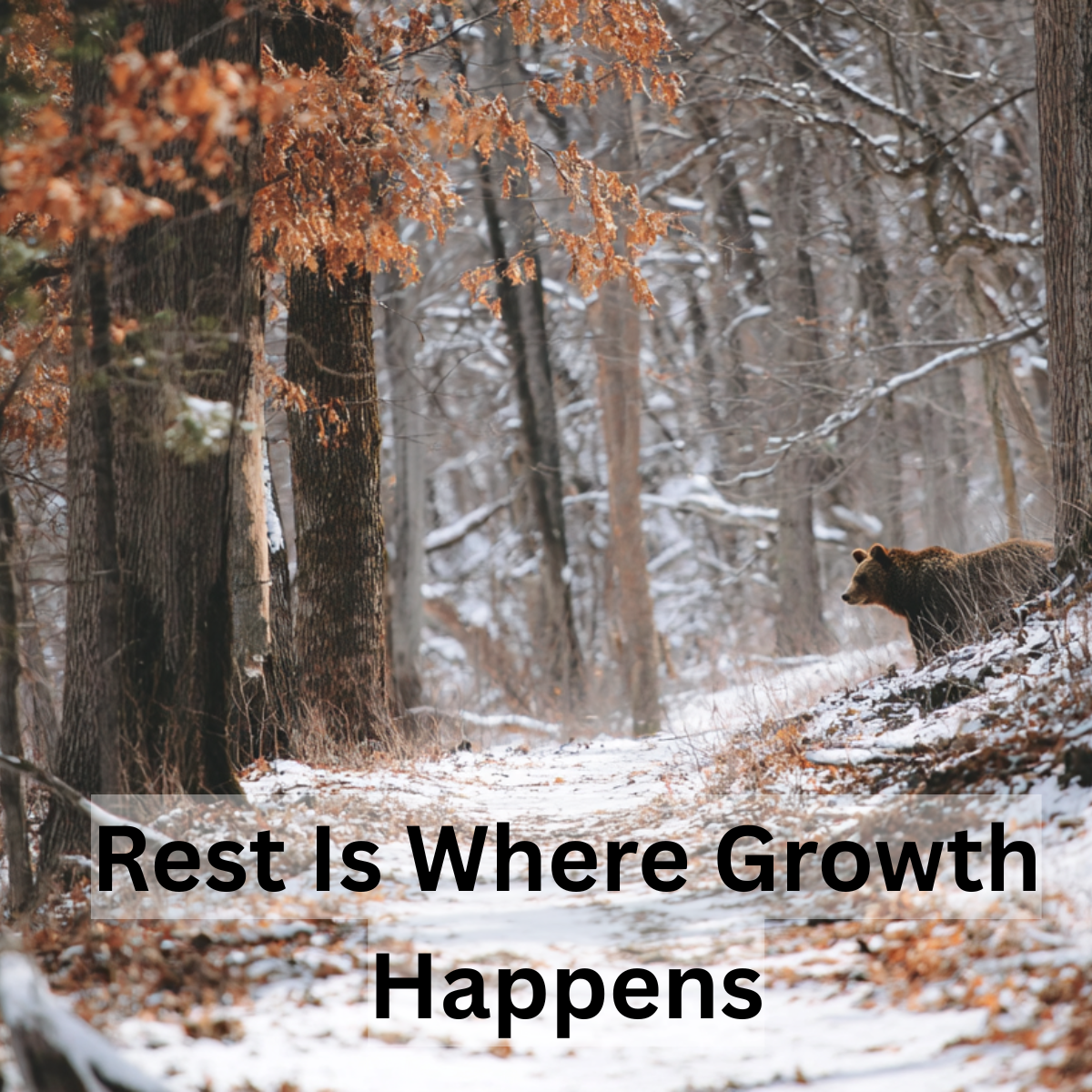
Walk through any forest in winter and you’ll see the truth. Trees that shed their leaves aren’t dying. They’re investing in next spring’s growth. The bear in hibernation isn’t lazy. She’s preparing for the demands ahead. Even at the cellular level, organisms follow cycles of work and recovery.
This pattern exists because growth requires two phases: stress and repair. The athlete’s muscles don’t grow stronger during the workout. They grow stronger afterward, during recovery, when the body rebuilds what was broken down. Skip the recovery and you don’t get stronger. You get injured.
The same principle governs every area of human development. Your mind needs time to process what it has learned. Your spirit needs space to reconnect with purpose. Your body needs rest to restore what work has spent.
I used to think rest was optional. I believed that pushing through fatigue was a sign of commitment. I was wrong. Rest isn’t optional. It’s mandatory. The only question is whether you choose when to rest or your body chooses for you.
“Growth happens in the pause, not just in the push.”
The executive who works seven days a week will eventually face a forced sabbatical called burnout. The parent who never takes a break will find themselves snapping at the people they love most. The student who studies without pause will discover their mind can no longer absorb new information. Your body keeps score. It will collect what you owe, with interest.
Rest serves three essential purposes in the growth process.
First, it restores what work has depleted. Sleep repairs your body after a long day. A day off restores your energy after a demanding week. A vacation replenishes your spirit after months of focused effort.
Second, rest creates space for processing. The insights that make you stronger often come during quiet moments, not busy ones. The solution to a stubborn problem appears during a walk, not during the tenth hour at your desk.
Third, rest enhances performance. When you return to work after genuine rest, you come back sharper. You see opportunities you missed before. You make connections that weren’t visible through tired eyes.
Taking rest before you need it requires discipline. It means stopping when you could keep going. It means trusting that the pause will serve the larger goal. This isn’t weakness. It’s wisdom. The farmer who plants crops year after year without letting fields lie fallow will eventually harvest nothing but dust. The musician who practices eight hours a day without rest will develop injuries that end their career.
Sometimes the secret to getting stronger is taking more breaks. You could consider starting with these three basic ideas to incorporate rest in your routine. Schedule your next rest. Look at your calendar and block time for genuine recovery. Not busy work disguised as rest, but actual restoration. Notice your resistance. When the urge to skip rest appears, pause and ask what you’re afraid of losing. Usually it’s less than you think. Rest without guilt. When your scheduled rest time arrives, take it fully. No checking emails. No thinking about tomorrow’s tasks. Rest completely.
After my product launch, every instinct tells me to capitalize on the momentum. But I know better now. The momentum I’m feeling isn’t energy. It’s adrenaline. And adrenaline always has a bill.
True momentum comes from sustainable cycles of effort and recovery. It comes from showing up consistently over months and years, not from burning bright for a few weeks and then flaming out.
Rest is not a reward for the weak. It’s an investment in future strength. It’s the foundation that makes tomorrow’s effort possible. The work will be there when you return. But you’ll be better equipped to do it well.