

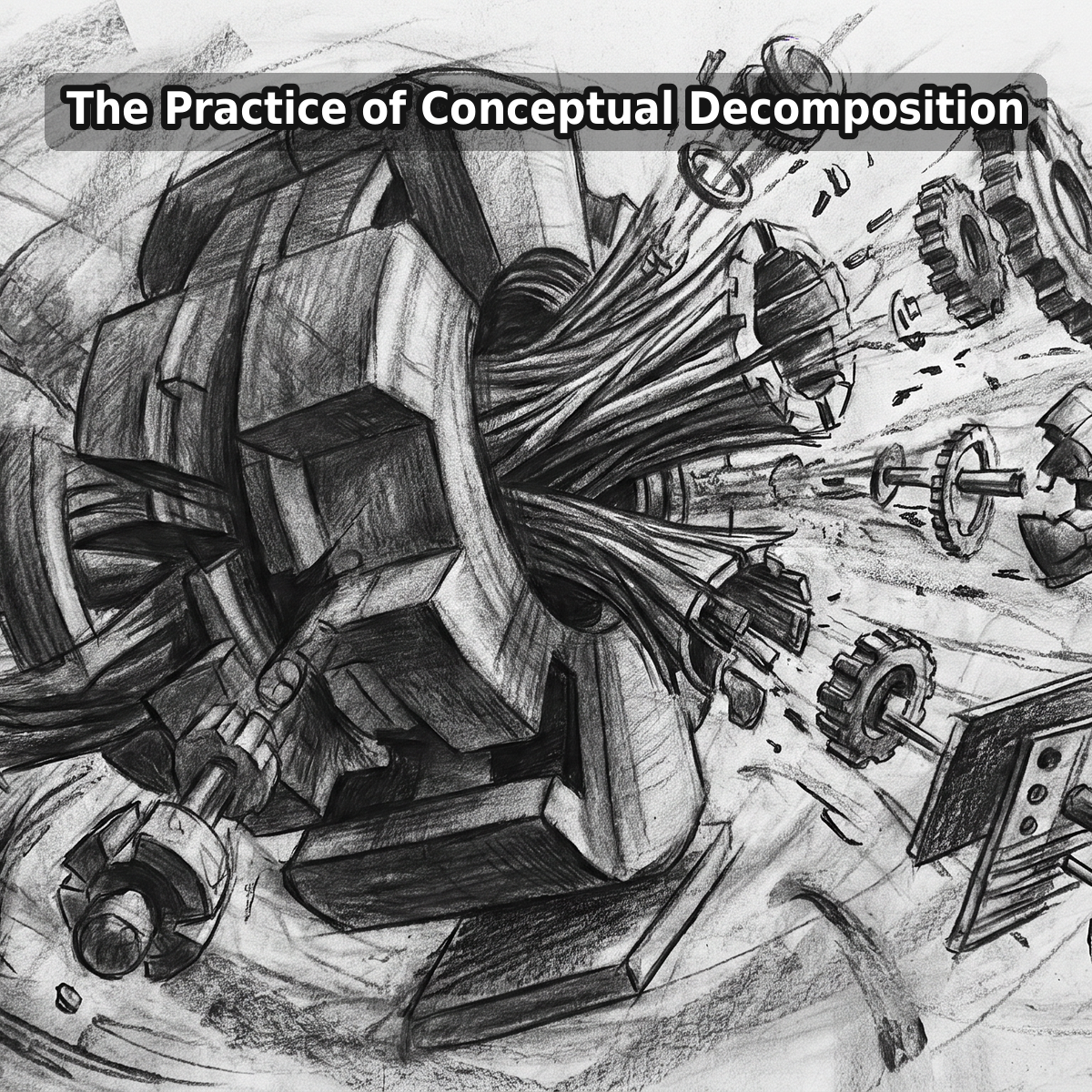
Day 349 – The Practice of Conceptual Decomposition
This article explores the author’s accidental discovery of conceptual decomposition as a superpower. Initially used to overcome learning difficulties, this method of breaking down complex systems into understandable parts proved invaluable in their career, particularly in teaching and computer science. The author advocates for applying this technique when interacting with AI to achieve more accurate and reliable results.

Day 348 – First Things First
The author shares their experience of maintaining seven daily habits for over 3,181 days, emphasizing the importance of doing crucial tasks first thing in the morning. They advise tackling life-changing habits immediately upon waking to avoid procrastination and increase the likelihood of completion, drawing on personal examples like early morning runs.

Day 347 – What is ‘having faith?’
A spiritual leader’s daily ritual of questioning his beliefs profoundly impacted the author, leading to a decades-long quest to understand the true meaning of faith. The author concludes that faith is not mere belief, but rather an active pursuit in the absence of proof, contrasting it with complacency that can arise from dormant beliefs.

Day 346 – Who Cancelled Tuesday Night?
This article reflects on the decline of community activities like bowling leagues, block parties, and church gatherings, and how these seemingly ordinary events fostered repeated human contact and built relationships. The author suggests that modern conveniences, while useful, have inadvertently dismantled the ‘machinery that manufactured relationships,’ leading to a sense of disconnect despite constant communication.

Relaxing is Changing State
Relaxing isn’t about passive consumption, but actively changing your brain’s state. This involves stopping information intake, engaging in physical activity outdoors, and shifting focus from narrow details to broad natural elements. The goal is to clear mental clutter and allow your mind to reset, often leading to renewed productivity.
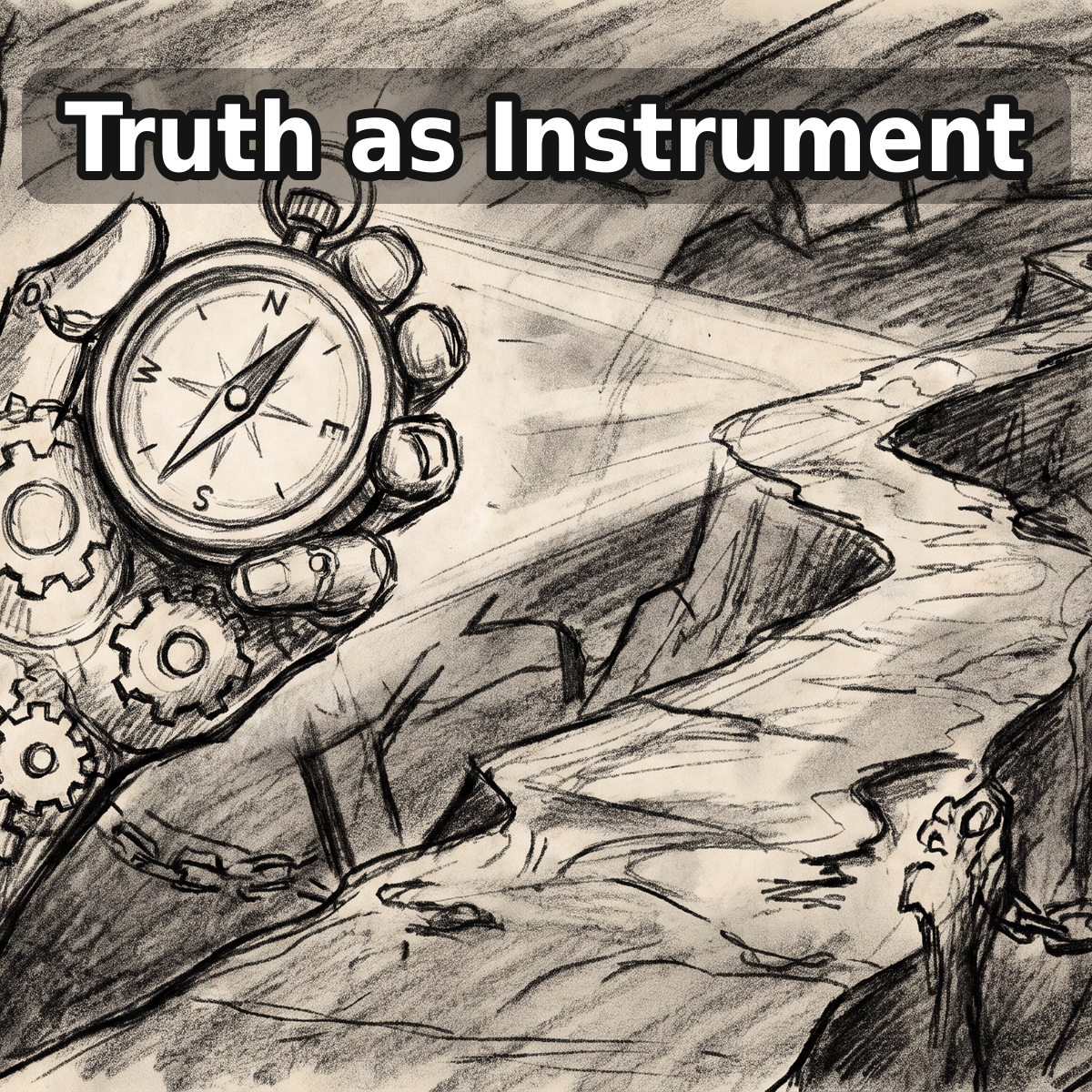
Day 344 – Truth as Instrument
This article explores the concept of individuals who manipulate truth to serve their own interests, distinguishing it from relativism. It delves into the personal and social implications of encountering such people, drawing parallels with childhood development and a personal anecdote about teaching chess. The author reflects on the challenges of dealing with those who view truth as an instrument and offers advice on identifying such behavior early in relationships.

Day 343 – Selling Shovels in a Gold Rush
The article draws parallels between the California Gold Rush and the current AI boom, highlighting how individuals profited by selling tools and information rather than directly extracting gold. It discusses historical examples of Samuel Brannan, Henry Vizetelly, and Joseph Ware, who capitalized on the gold rush through various means, including hoaxes and guides. The piece concludes by advising caution when encountering AI gurus, suggesting one should investigate the source of their wealth.
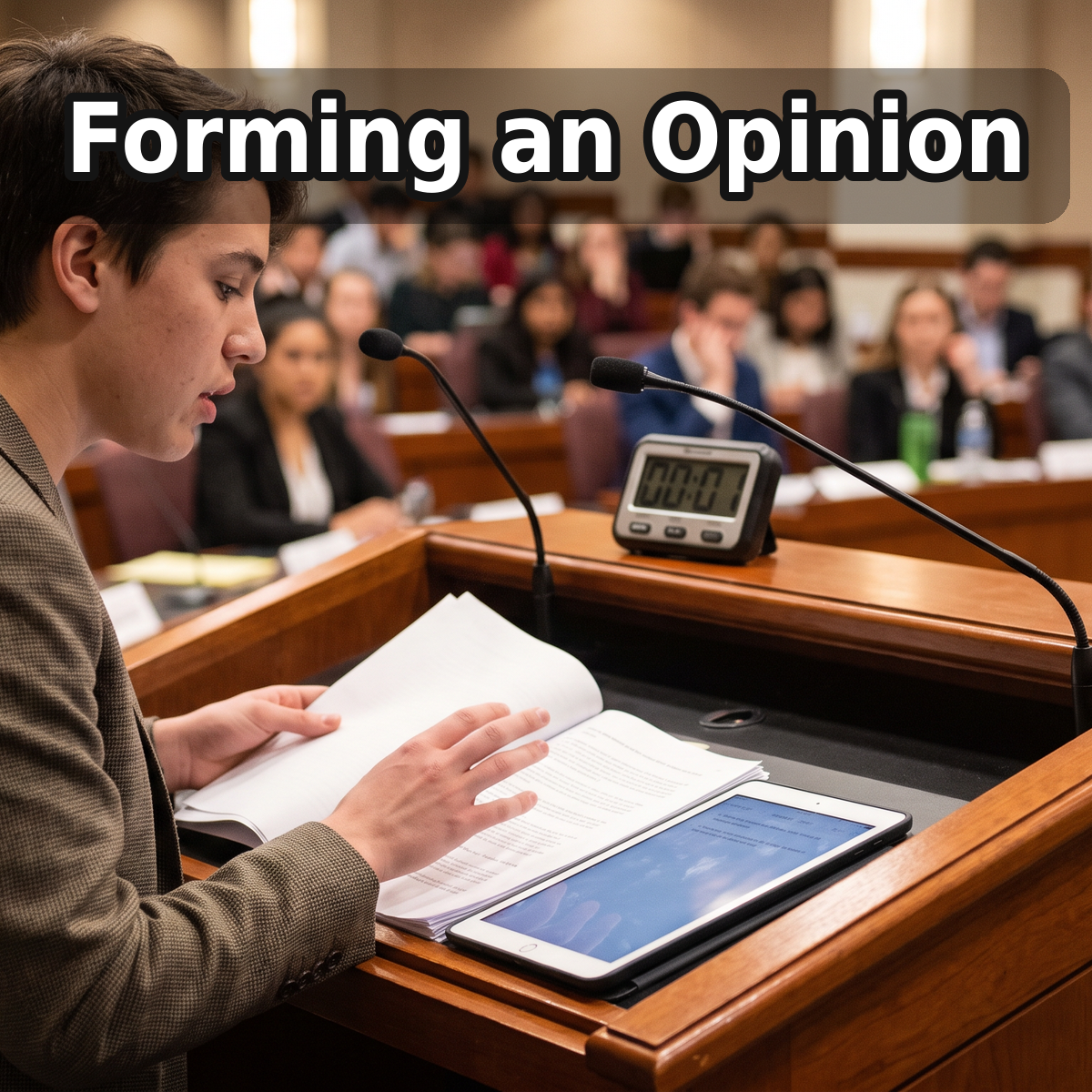
Day 342 – Forming an Opinion
This article explores the process of forming opinions, drawing parallels from debate and legal fields to categorize the strength of an opinion’s foundation. It highlights the difference between strong opinions and strong epistemic foundations, moving from weak bases like intuition and hearsay to robust, evidence-based conclusions that are open to revision.

Day 341 – Schadenfreude
The article discusses the lack of empathy in social media, where people often humiliate others for attention. It introduces the German word “Schadenfreude” to describe the joy derived from another’s misfortune, suggesting that understanding this concept can help people pause before posting cruel content.

Day 340 – Beware the Expertise Discount
The ‘expertise discount’ causes experts to undervalue their easy-to-perform skills, believing them too simple for others to pay for. This often leads them to overcomplicate solutions, while competitors profit from simpler offerings. Recognizing this bias can help experts identify commercially underestimated skills.
What People Are Saying