A piece of paper, folded in half on long side. On the left side label it the Way I Was. On the right label it the Way I Am.

Now here comes the fun part. Actually write out the way you are now on the Way I Was side. All the things wrong about you. All the ways you think. The things dragging you down. Then put the way you want to be on the Way I Am Side.

Go through this with as many things as you can. Every aspect of your life. Write a comparison – the way you were versus the whey you are. This is actually the way you are versus they way you want to be – however – this new way of thinking becomes powerful in the next step.

When you start each day – pick various times when you are going to be doing certain activities. How did the person on the left behave when you first wake up? How am I now acting when I first wake up? Starting a meeting with colleagues – how did I used to start meetings versus now? What did I use to work on versus what I work on now? What was I reading before versus now? Who did I talk to before? Who am I talking to now.

This mentality is how you change who you are. The current you becomes the old and the new you becomes the present.

Guy
Subscribe
Notify of
guest
0 Comments
Inline Feedbacks
View all comments
Share the Post:

Recent Blogs

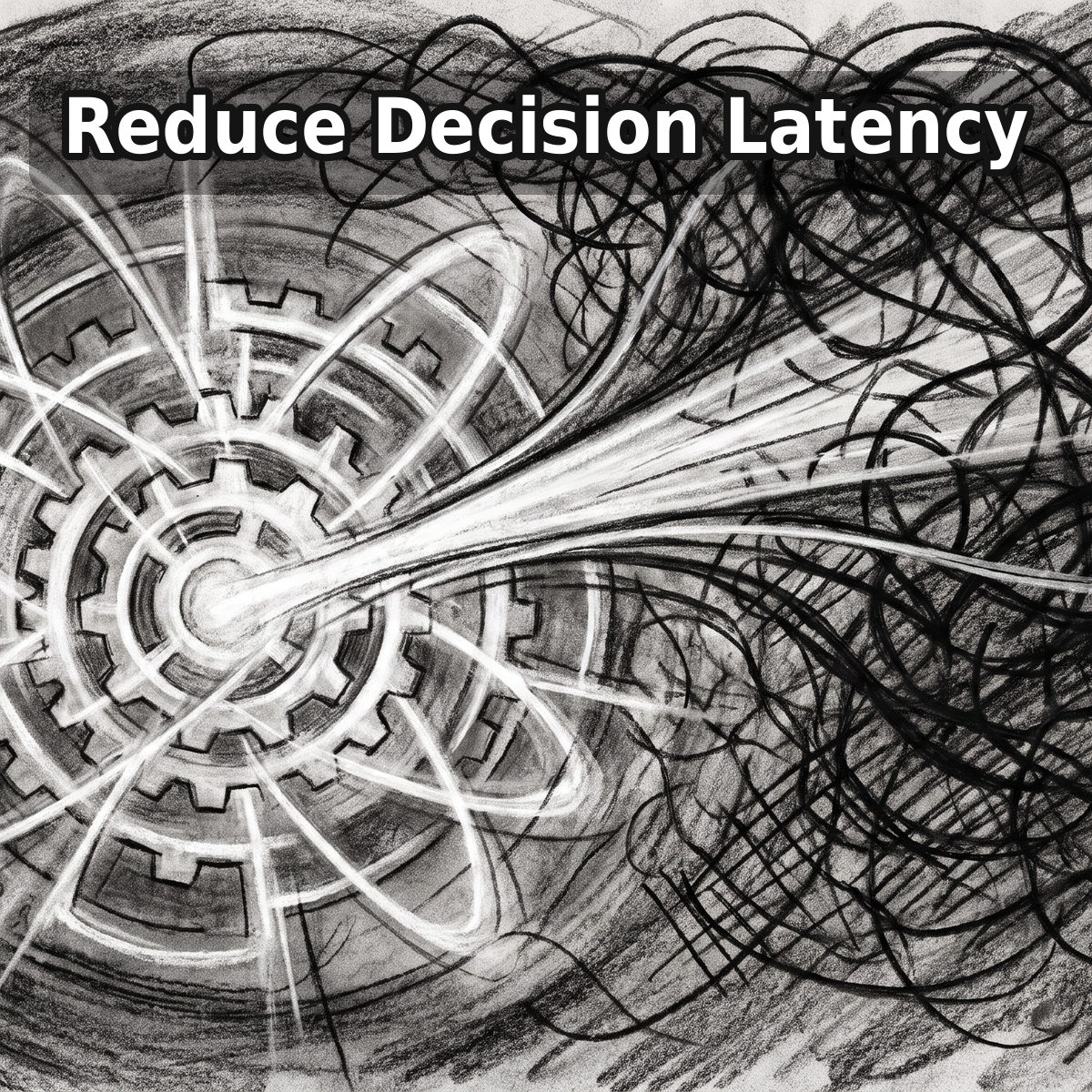
Day 3,228 – Reduce Decision Latency

The author explores the cost of indecision, drawing inspiration from a former Tesla executive’s emphasis on decision speed. They argue that while deliberation is important, fear of being wrong often leads to unnecessary delays. The author advocates for a proactive approach to decision-making, emphasizing action, feedback, and adaptability over endless speculation.

Read More

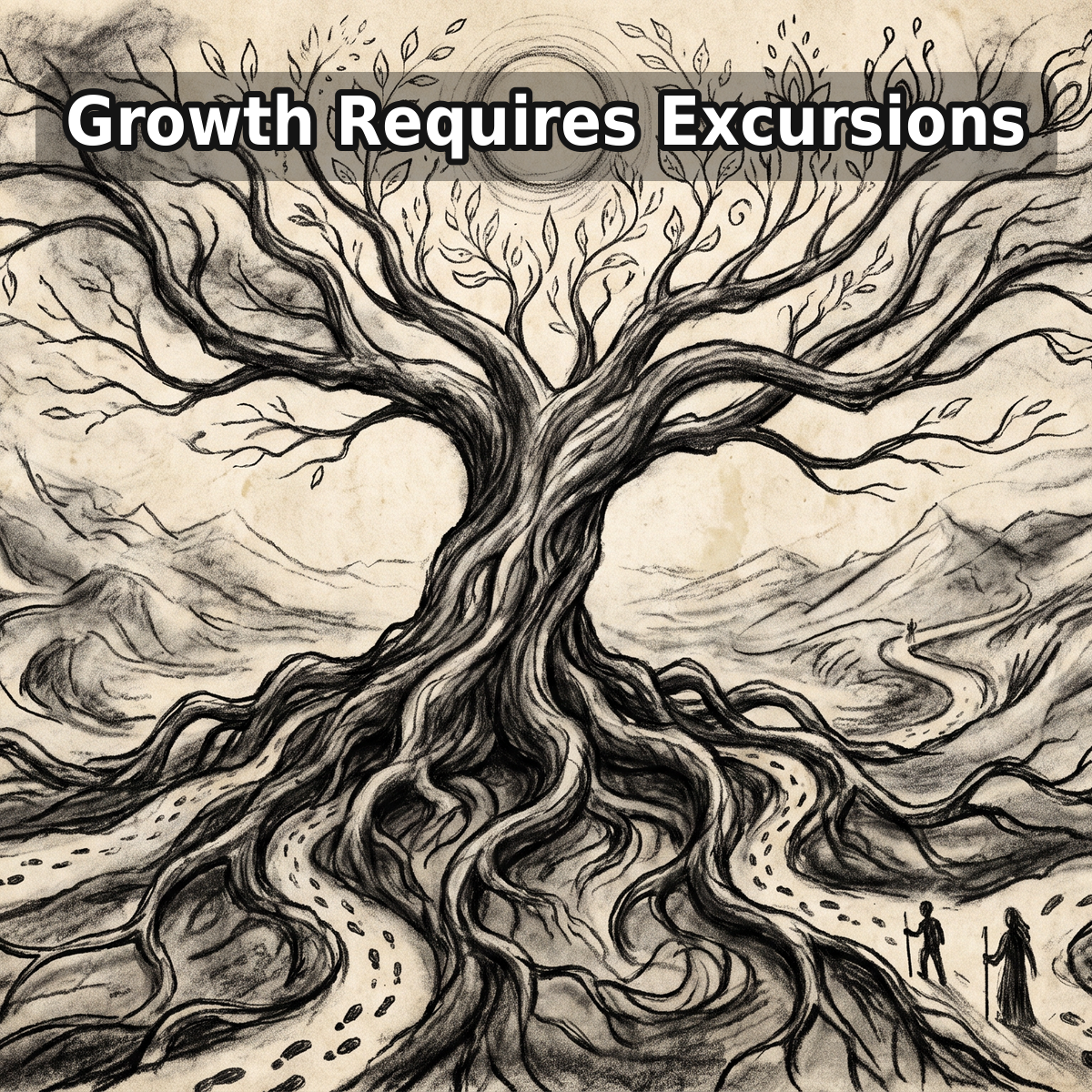
Day 3,227 – Growth Requires Excursions

This piece explores the balance between consistency and growth, using the metaphor of a familiar running route. It argues that while routines provide stability, true growth comes from deliberately stepping outside of our comfort zones and embracing new, sometimes uncomfortable, experiences.

Read More

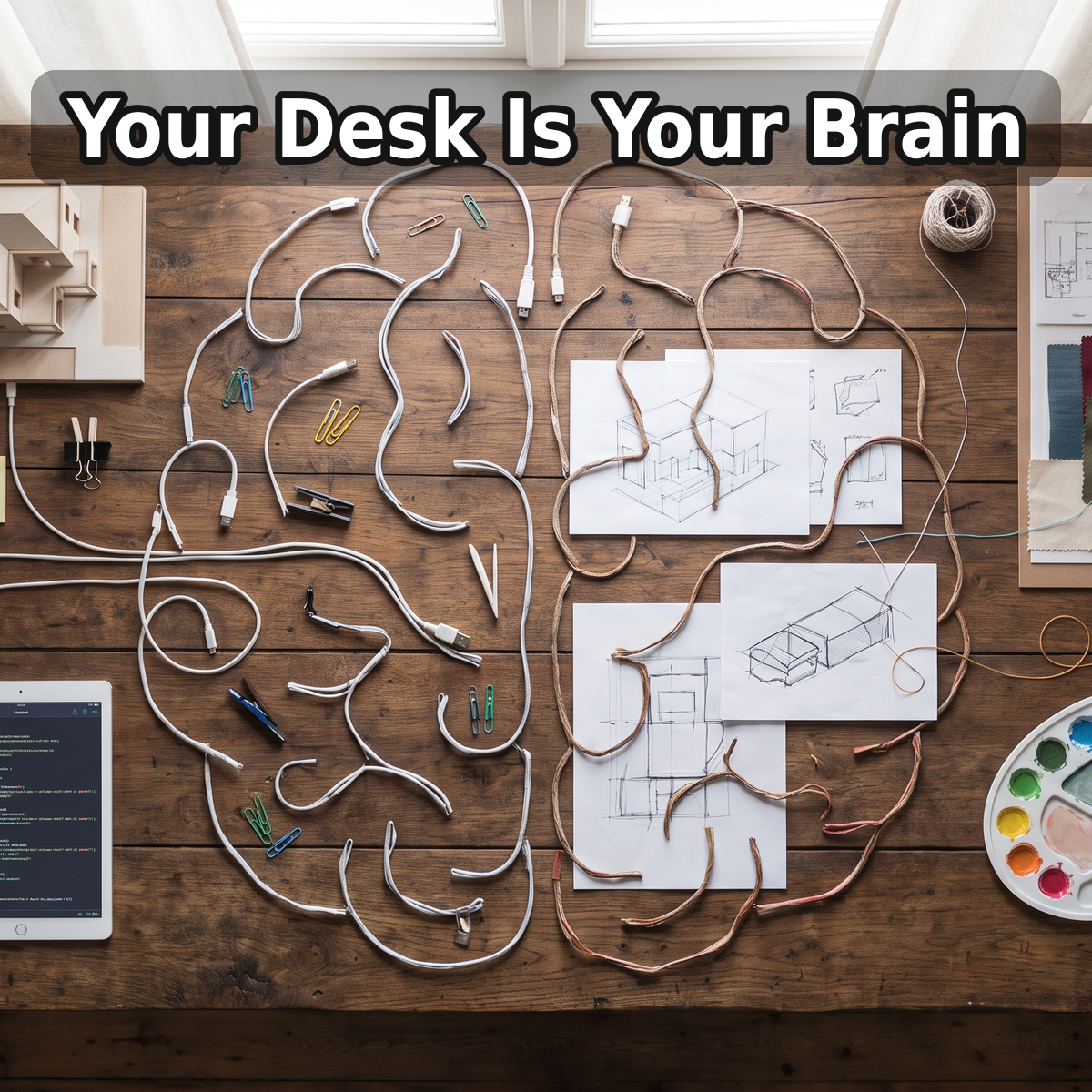
Day 3,226 – Your Desk Is Your Brain

This article explores the idea that your desk is a reflection of your mind. It suggests that the clutter and organization of your workspace can mirror your thoughts, priorities, and even avoided decisions. The author challenges readers to organize their desks as a way to clear their minds.

Read More

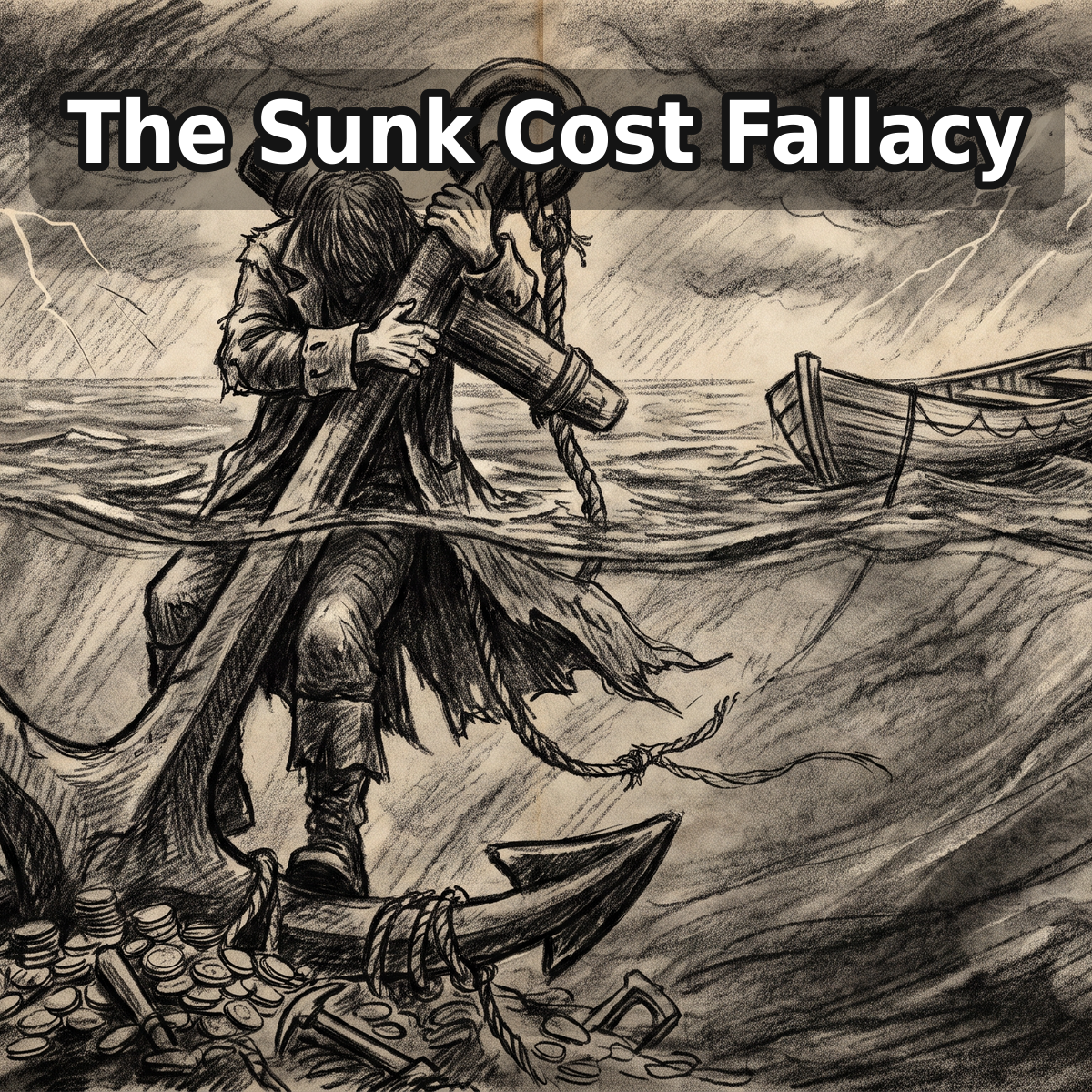
Day 3,225 – The Sunk Cost Fallacy

The sunk cost fallacy describes the tendency to continue investing in a losing proposition because of past investments that cannot be recovered. This often leads to greater losses and regret. The key is to evaluate if future rewards justify additional investment, or if it’s better to cut losses.

Read More
0
Would love your thoughts, please comment.x
()
x