Your life is most likely a bit chaotic unless you are one of the few who have an organized, structured approach to life. There are personalities that fit into this pattern easily, and it is a mystery to them why people struggle with organization. I have noticed these types of people are exceptional at staying organized, purpose-driven, and focused on a particular set of tasks. However, I have also noticed that they often have difficulty with creativity, forging new paths, and taking on “more than they can chew” in general. The rest of us adapt to changing circumstances and multiple inputs relatively well, but we struggle with staying focused and organized.
There are also people who are on medication, suffering from an illness, or have other reasons where clarity and focus are difficult. Regardless of the reason, a large majority of humans struggle with this same concept, usually in varying degrees of severity. This is why there is such a market for personal planners, software, journals, to-do lists, and CRMs. We all suffer and struggle through organizing this chaos into something that can be effective for us.
Well, you are in luck. You are reading or listening to an article from the world’s foremost authority on systemic failure to stay organized. Yes, that’s right. Look no further than someone who has failed more spectacularly at staying organized. I have been at this now for about five decades and have created hundreds of systems, tried hundreds of others, and have read just about every book on the subject. I have learned and implemented almost every “get things done” stack there is. I am absolutely, as Kenneth Burke would describe, “rotten with perfection.”
So what is the one piece of advice I have for anyone who has also fallen victim to the same vice? Well, I actually have two. They are equally important to consider. The first one is really easy, and the second one takes a bit of effort. Let’s start with the first. Decide right now that you are going to wake up every morning and prayerfully or with serious contemplation, decide the “one thing” you are going to do that day to have the greatest impact on your or other people’s lives. Then do it. At the end of the day, check back in with yourself and see how you did. This “one thing” concept is the #1 principle that I follow, and it has had the greatest impact on my life. It is what caused me to take on this crazy idea of writing at least a 1,000-word article every day and publishing it. I promise you that this single-focused commitment will cause massive changes in your life. The one thing. Just remember that every morning and every night.
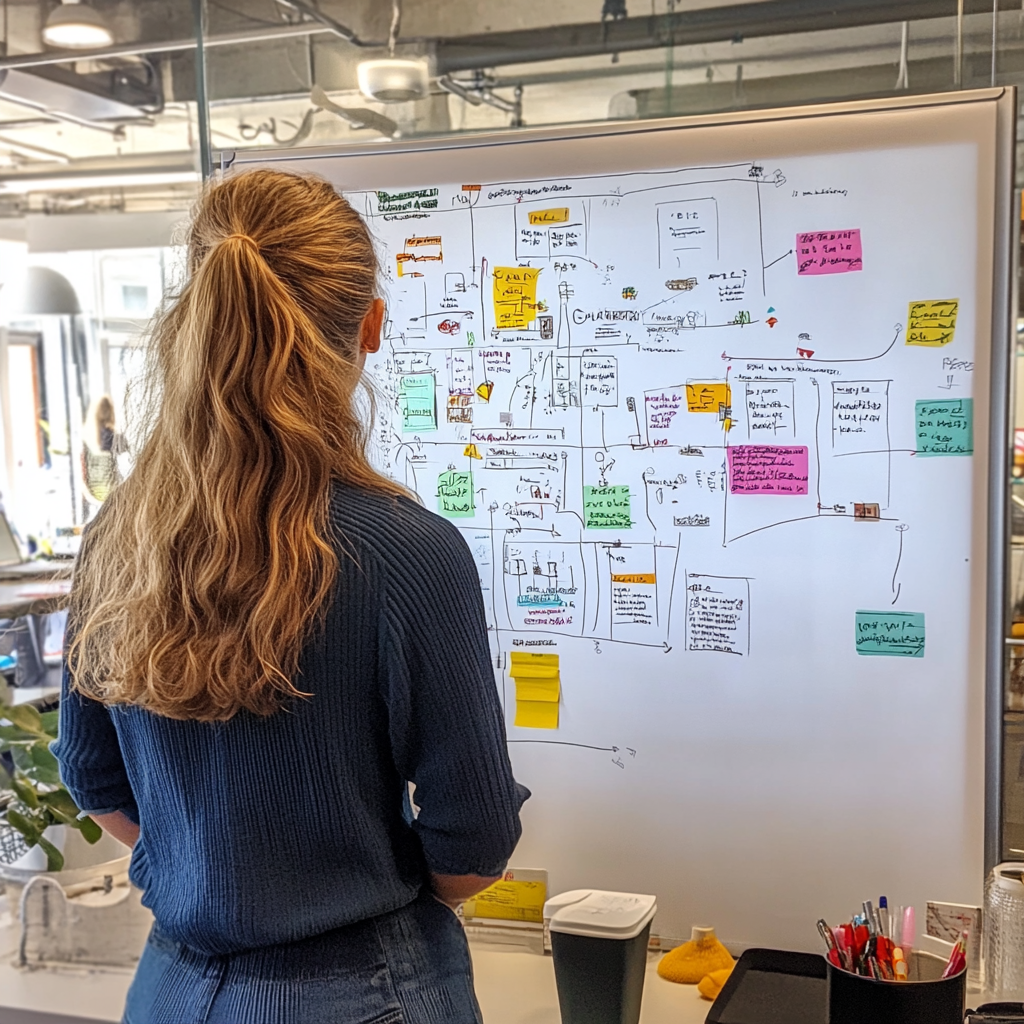
The second thing is more complex but equally important. Identify all the major workstreams in your life. There are not many, but if you use diagram software, or even just a whiteboard, you will be shocked at how unaware you are of the systems that make up your life. This is what I do. I draw a stick figure of myself on a board (I use Miro). Then I grab ovals, squares, or other shapes and name them with the major tasks that I perform every day. For example, you might have one called “Go to Gym,” or “Sleep,” or “Process Email.” Really think through your life and record every major category of what you do. Then spend some time thinking through the ones you wrote down. Narrow down the list, combine a few if you have to, and when you start to feel like you have captured your workflows, take a pause.
You now have a basic process map of your life. In the UML world, we call this a Use Case diagram. I like to call this the situations in which I interact with the world around me. Once you have this done, get a copy that is highly visible to you, one that you will see every day. Now, whenever you are in your day, announce with intention which of these workflows you are entering into. “I am now ready to process email,” I announce to myself. Then I go through the process of reading, responding to, and dealing with email. You might have one that is, “Now I am doing my laundry.” I think you get the idea. If you are really good, you will mark down how often you do these workflows.
What you are going to realize in short order is that you are horribly inefficient and that you jump around too much. You are highly distracted, jumbled, and bouncing around all the time. When you do get engaged in a workflow, you encounter challenges and problems during the process. You will notice that you spend a great deal of time thinking about what and how instead of actually just doing the work. This is especially true if the task is difficult. If you keep this view of your workflows for a few weeks, then you will have all the data you need.
You will now know the areas of your life that are horribly time-consuming and have the greatest drain on your time and energy. You will find out just how mismanaged, manual, and disorganized your approach is. You will notice how your monkey brain is bouncing all over the place, and you can never stay focused on a particular topic. Once you have this view, you can now decide to improve a process by actually having one. How much time do you spend doing laundry or checking email? How about cooking lunch? I am picking easy topics, but there could be many others. “Prospect for New Clients” might be one that is more difficult but is equally plagued by mismanagement and distraction. You are now ready to put some serious effort into actually having a process for something that takes up most of your time. If you can consolidate, concentrate, and focus your time into a concrete and finite process while doing this activity, you will undoubtedly save several hours a week. You might even improve your work product significantly. You may also decide how unnecessary it is for you to be doing this in the first place and hire someone else to do it. Besides the one thing concept, this idea of creating process flows for the major workstreams in my life has been the single best game-changer.
In the end, the key to conquering the chaos of life is not about finding perfection but about creating intentional systems that work for you. It’s about honing in on that one thing each day that will make the greatest impact and organizing your workflows in a way that brings clarity and focus to your tasks. By identifying your major workstreams, crafting meaningful processes, and committing to focused execution, you can regain control of your time and energy. It’s not about juggling everything flawlessly—it’s about being deliberate in how you approach your life, one step at a time, and allowing those small, incremental changes to lead to lasting transformation.