
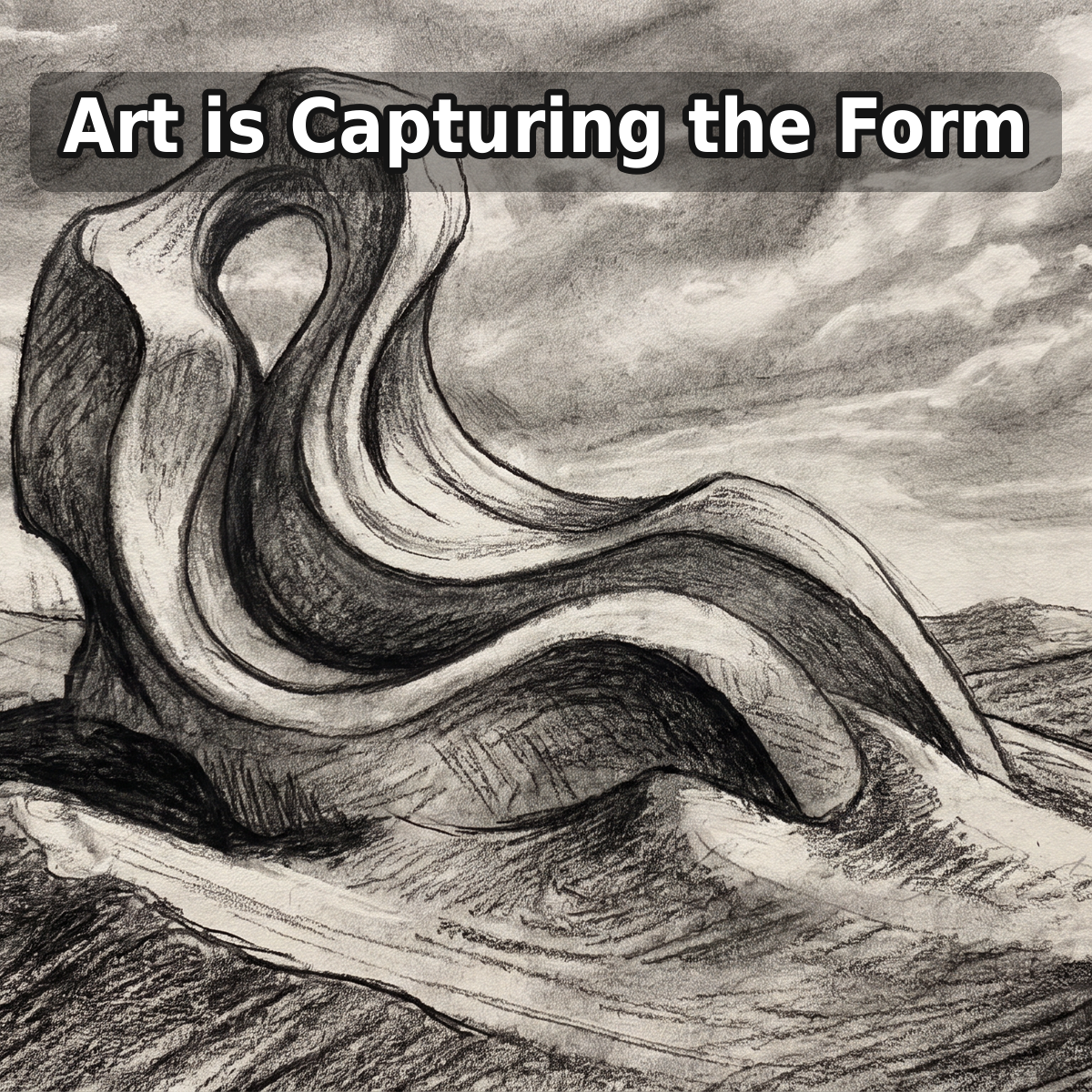
Day 329 – Art is Capturing the Form
The author explores the concept of art through the lens of form and function, using two tape measures as an analogy. They then delve into Charles Ross’s Star Axis project, which aims to capture the journey of the North Star, suggesting it as a powerful example of art capturing form and connecting humanity across time.
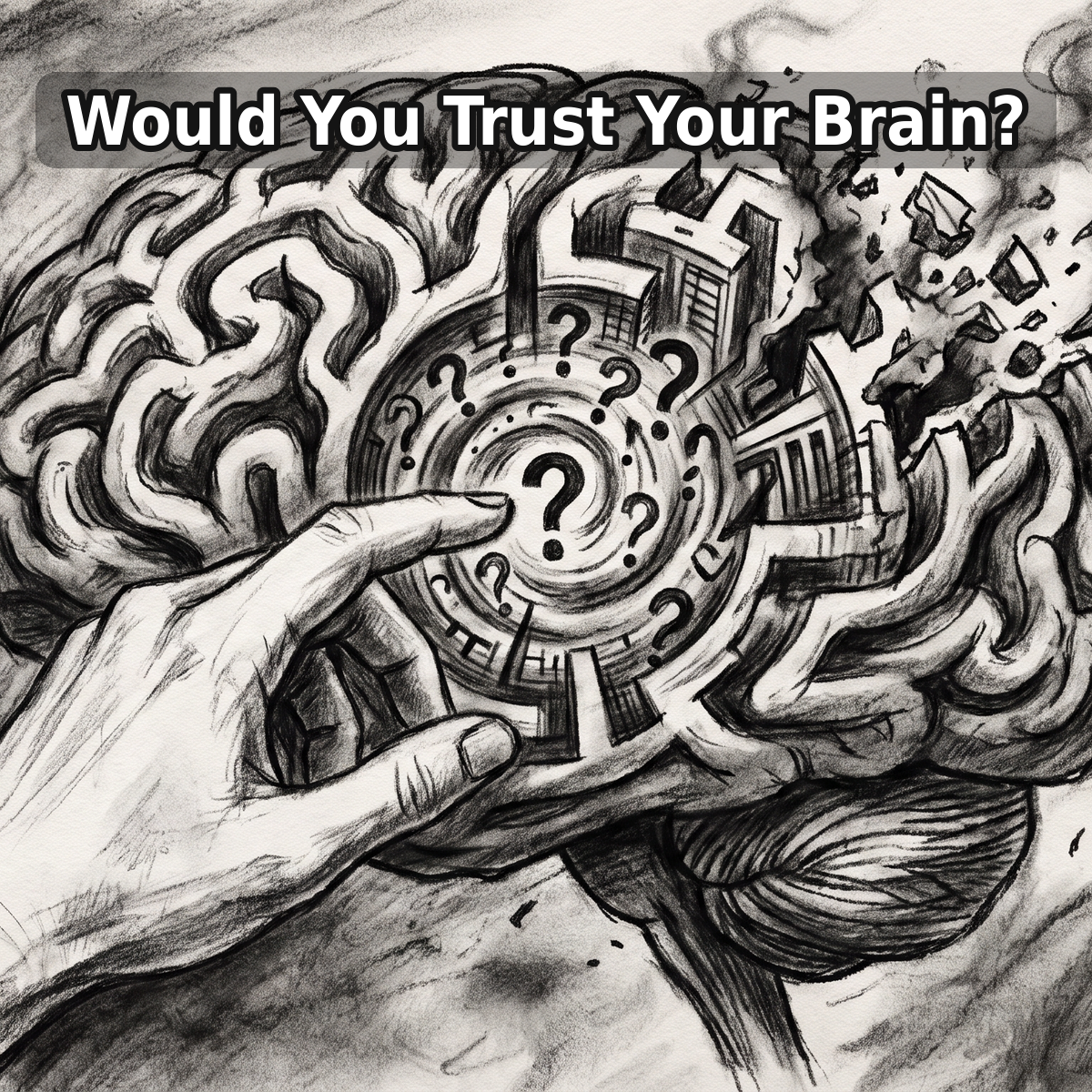
Day 328 – Would You Trust Your Brain?
The author explores the idea of copying a human brain into an AI and questions the trustworthiness of such an AI, highlighting human biases and limitations. The piece argues that AI excels in repetitive tasks and factual recall but will never truly think like a human. It also delves into the author’s personal frustration with an AI agent, revealing that the frustration stemmed from their own inadequacy and unwillingness to plan, rather than the AI’s limitations. The author concludes by suggesting that AI’s “flaws” often reflect human tendencies and a lack of clarity in communication.
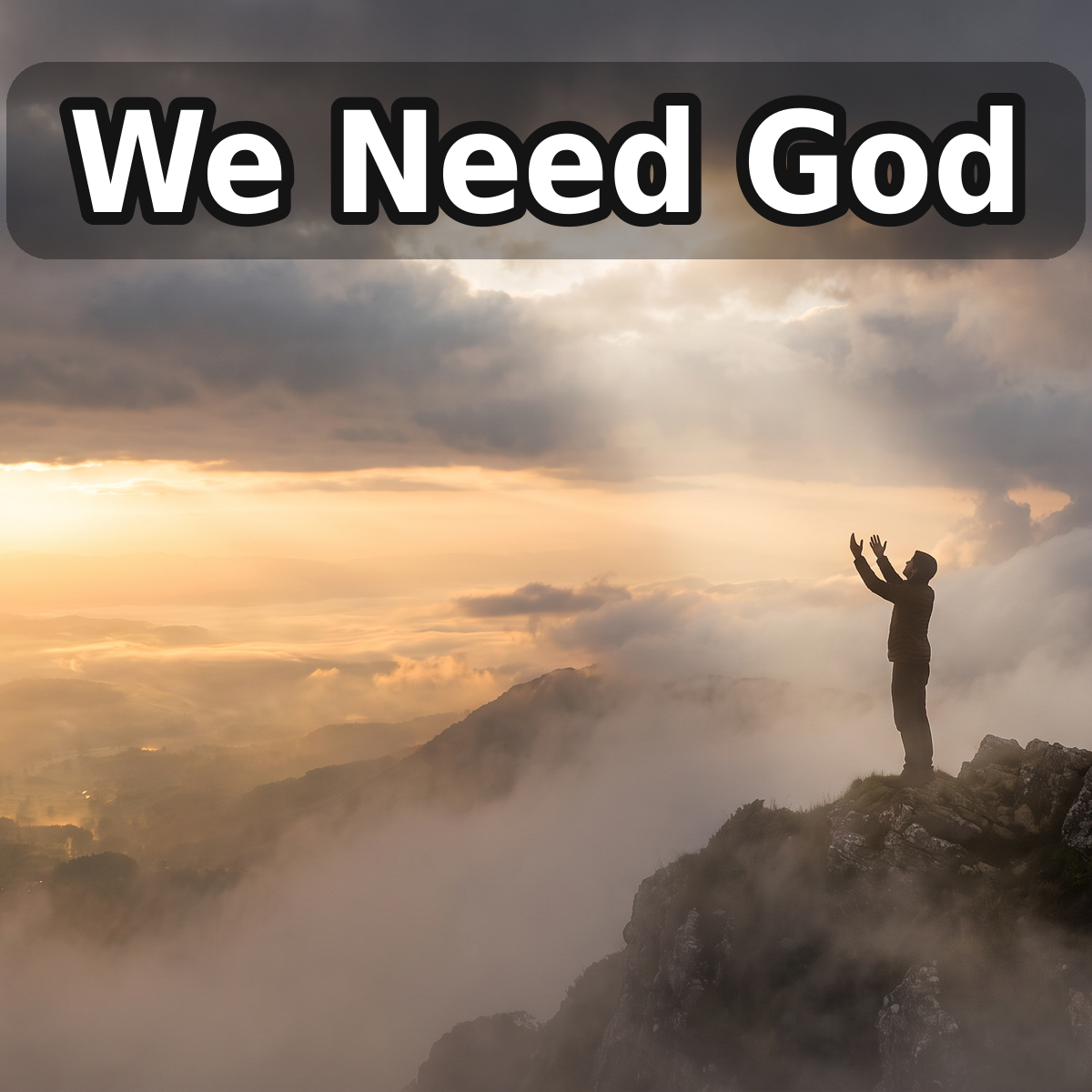
Day 327 – We Need God
This article explores the practical necessity of a concept of God, regardless of personal belief in a literal deity. It argues that humans need a higher, fixed point of reference to establish values, prevent self-serving rationalizations, and guide their aspirations beyond immediate desires and worldly pursuits.

Day 326 – Small Things Do Not Automatically Compound
This article explores the idea that while small, consistent actions are powerful, they don’t automatically compound into significant results. It emphasizes that mindful repetition, reflection, and adjusting the process are crucial to ensure habits remain effective and aligned with their original purpose.

Day 325 – All Loops Require Supervision
The author shares two anecdotes—an AI system stuck in a loop and a sprinkler system with a hidden leak—to illustrate the critical need for supervision, even in automated processes. The core message is that automation reduces mental load but doesn’t absolve us of the responsibility to monitor systems and routines to ensure they continue to serve their intended purpose and don’t cause unforeseen harm.
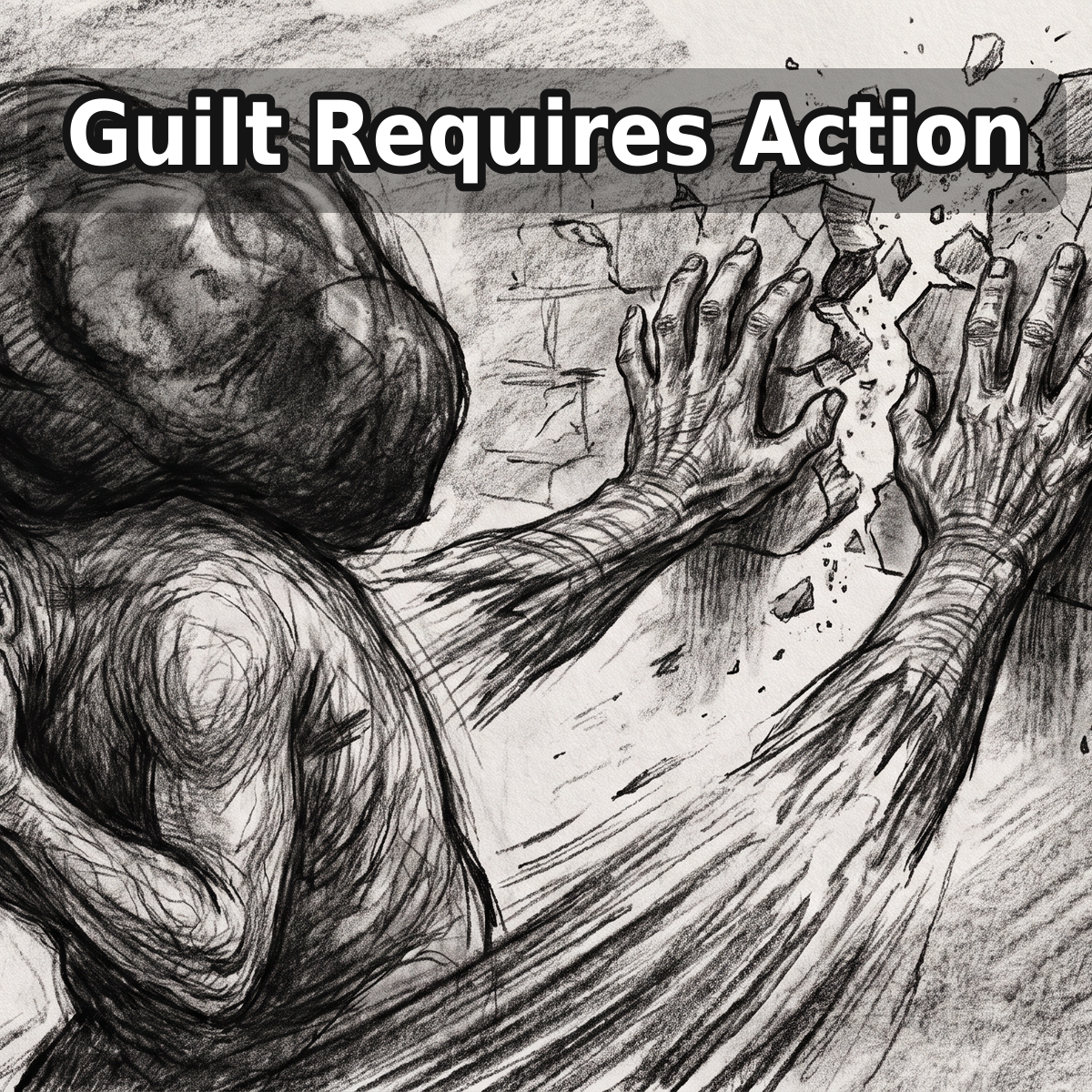
Day 324 – Guilt Requires Action
This article explores the pervasive human experience of guilt, drawing parallels between psychological insights, religious practices, and anecdotal evidence. It highlights the importance of taking action—whether through restitution, apology, or confession—to alleviate the burden of guilt, citing examples like visitors returning stolen items to Petrified Forest National Park and personal reflections on unresolved past actions.
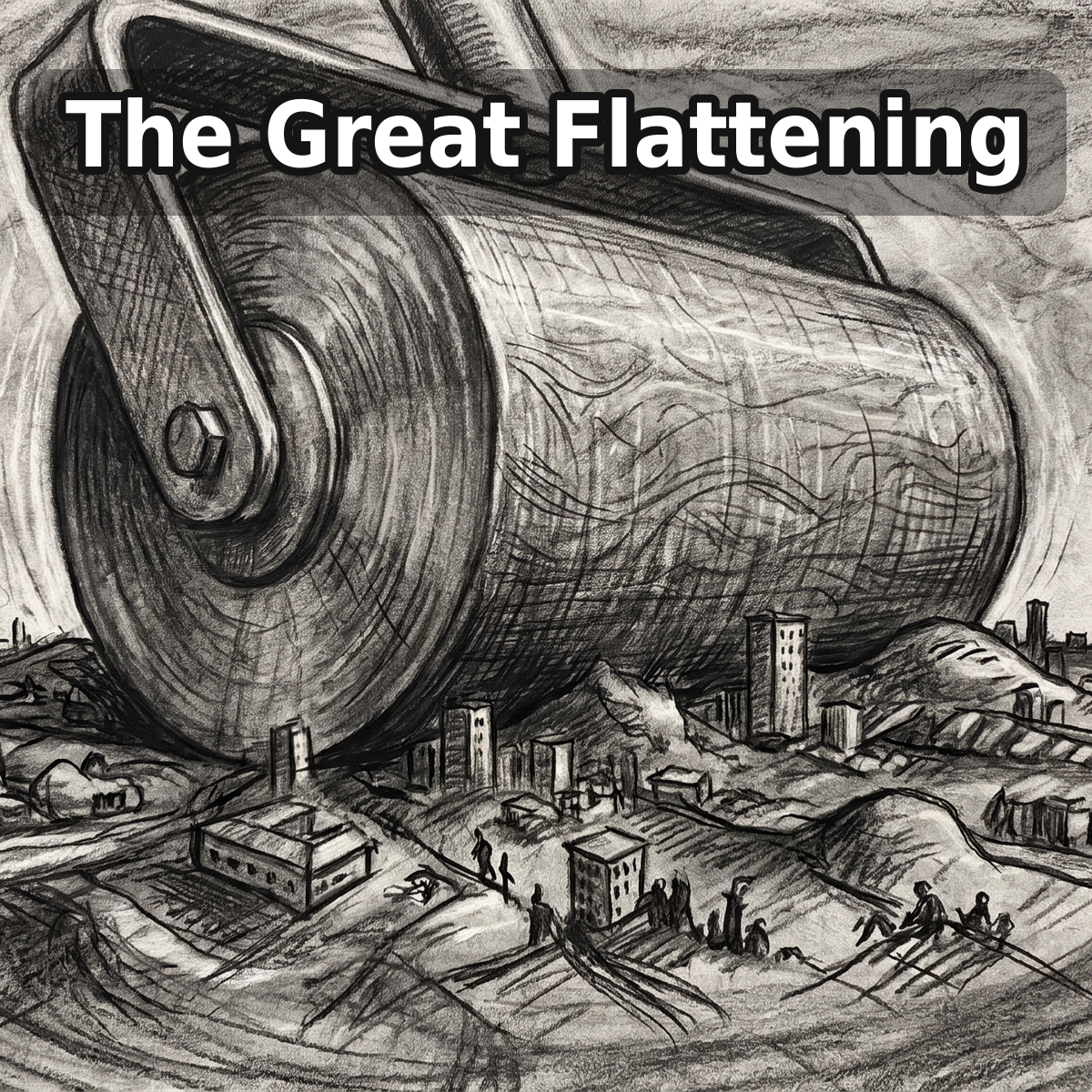
Day 323 – The Great Flattening
The widespread use of AI writing assistants is leading to a concerning ‘voice flattening’ in personal identity, as AI-assisted rewriting reduces linguistic diversity. This can make our words and thinking generic, blurring the essence of our personal identity. The author recommends using AI deliberately to maintain one’s unique voice.
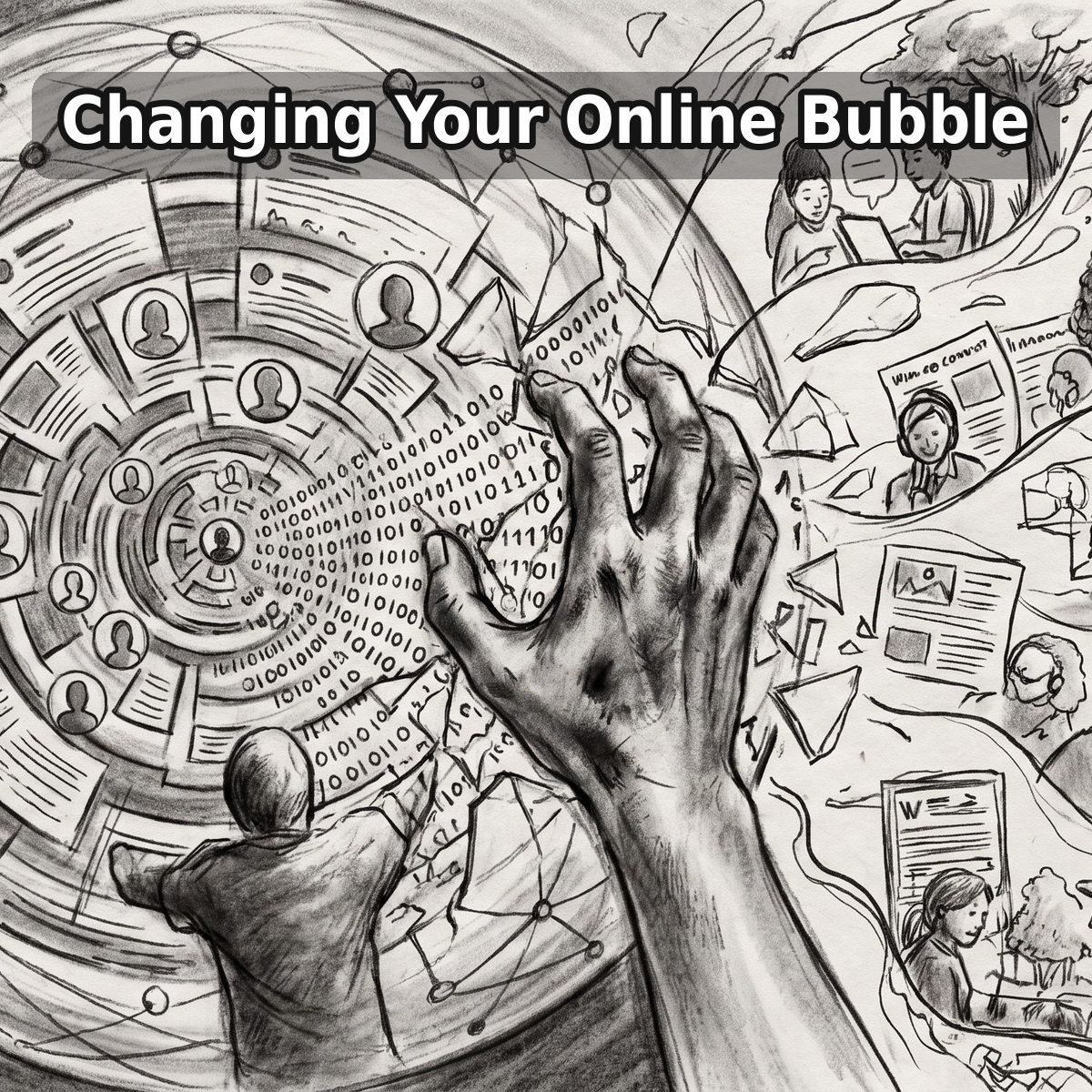
Day 322 – Change Your Bubble
The author describes how social media algorithms create ‘bubbles’ based on user preferences and engagement. They challenge readers to deliberately change the signals they feed to these platforms to alter their online experience. The author shares a personal experiment of immersing themselves in baseball content to escape the political bubble and observe the impact on their feeds and perception of the world.

Day 321 – No Drilling Through Bulkheads
This article introduces the “Watertight Ship Principle,” advocating for strict adherence to boundaries within systems to prevent future complications. It uses examples from laundry, corporate finances, and even an ant infestation to illustrate how small exceptions or shortcuts can lead to significant problems, especially in the age of AI where systems can be built rapidly.

Day 320 – Beware, Modern Traveler
This article explores the human tendency to label and categorize the unknown, from ancient explanations like the incubus to modern diagnoses and algorithms. It highlights the danger of mistaking a label for reality and the importance of maintaining curiosity even when confronted with seemingly certain explanations.
What People Are Saying