


Day 343 – Selling Shovels in a Gold Rush
The article draws parallels between the California Gold Rush and the current AI boom, highlighting how individuals profited by selling tools and information rather than directly extracting gold. It discusses historical examples of Samuel Brannan, Henry Vizetelly, and Joseph Ware, who capitalized on the gold rush through various means, including hoaxes and guides. The piece concludes by advising caution when encountering AI gurus, suggesting one should investigate the source of their wealth.

Day 342 – Forming an Opinion
This article explores the process of forming opinions, drawing parallels from debate and legal fields to categorize the strength of an opinion’s foundation. It highlights the difference between strong opinions and strong epistemic foundations, moving from weak bases like intuition and hearsay to robust, evidence-based conclusions that are open to revision.

Day 341 – Schadenfreude
The article discusses the lack of empathy in social media, where people often humiliate others for attention. It introduces the German word “Schadenfreude” to describe the joy derived from another’s misfortune, suggesting that understanding this concept can help people pause before posting cruel content.

Day 340 – Beware the Expertise Discount
The ‘expertise discount’ causes experts to undervalue their easy-to-perform skills, believing them too simple for others to pay for. This often leads them to overcomplicate solutions, while competitors profit from simpler offerings. Recognizing this bias can help experts identify commercially underestimated skills.

Day 339 – Story Telling is Our Stewardship
The author reflects on the importance of storytelling after witnessing his daughter receive an award for her perseverance. He argues that stories are crucial for passing down wisdom and experience across generations, preventing the loss of valuable lessons learned through life’s challenges.

Day 338 – What Is Humility?
Humility is often misunderstood as self-abasement, but it’s actually the ability to accurately perceive oneself, including strengths, weaknesses, and dependence on others. This perspective allows for easier learning, improved judgment, and better interpersonal relationships. Humble leaders foster open communication, and embracing humility can be incredibly freeing.

Day 337 – Principle Artifact Confusion
The author draws a parallel between the barefoot running craze and the current hype around AI coding tools, highlighting the danger of “Principle–Artifact Confusion.” This occurs when a sophisticated practice is reduced to a product, and the product is then mistaken for the underlying principle that made the original practice successful. The article emphasizes that AI should amplify good fundamentals, not replace them.
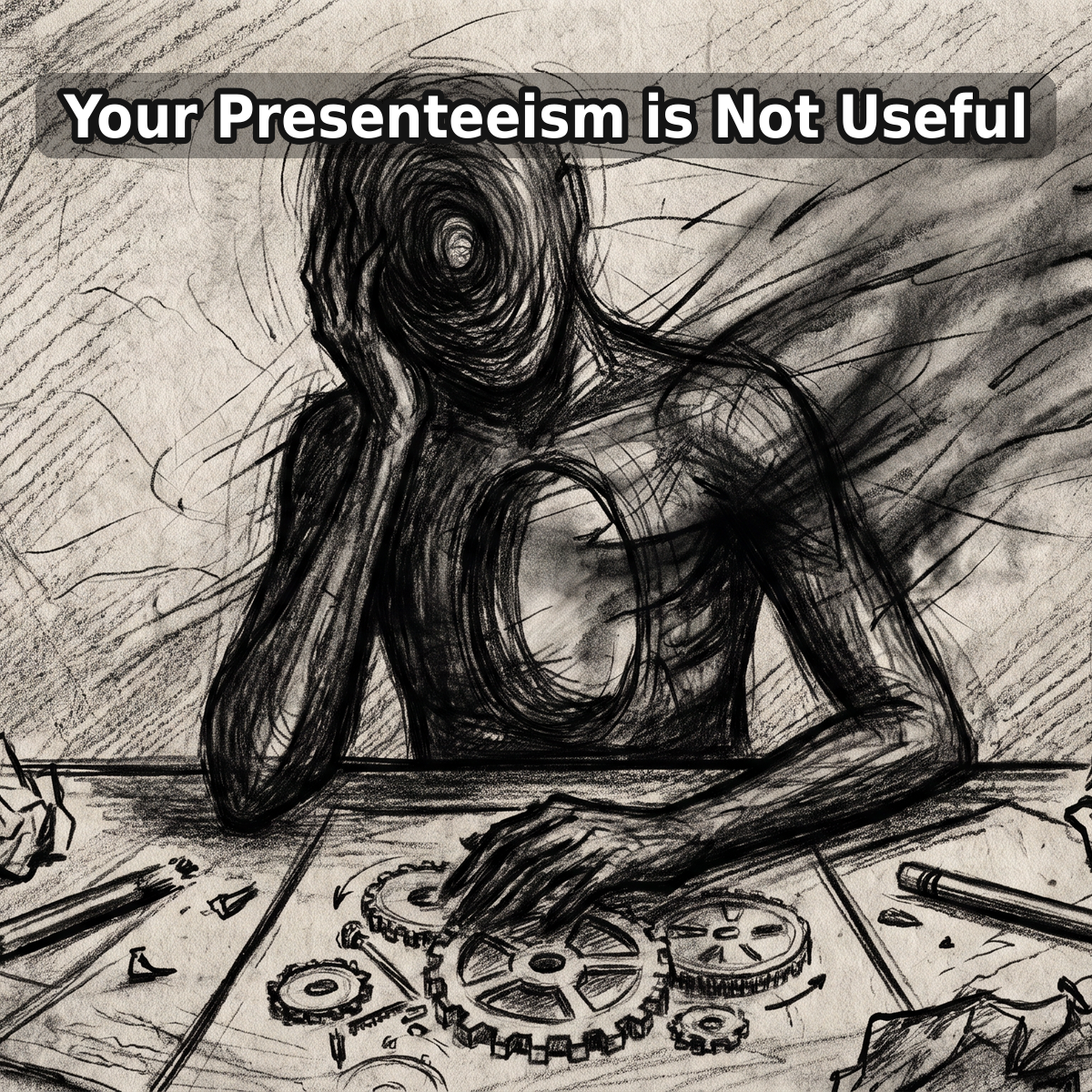
Day 336 – Your Presenteeism is Not Useful
This article challenges the common belief that simply being present at work, even when performing suboptimally, is beneficial. It argues that ‘presenteeism’ can lead to decreased output, increased mistakes, and prolonged recovery, ultimately creating a ‘recovery debt.’ The piece advocates for deliberate rest as an investment in future productivity, emphasizing that true recovery involves activities like sleep, proper nutrition, and disconnecting from work, rather than passive leisure.

Day 335 – A Life is a Story, Not a Snapshot
This article explores the danger of judging a person’s worth based on their current circumstances, likening it to viewing a life as a snapshot rather than a long trajectory. The author shares a personal anecdote about photographing a homeless man in high school and reflects on how easily we reduce individuals to their present condition. The piece emphasizes that human value is not a snapshot and should not be solely tied to current productivity, advocating for a recognition of a lifetime’s accumulated worth.

Day 334 – A Lucky Day
While waiting in a long pharmacy line, the author reads the story of Richard Laver, founder of Lucky energy drink, who survived a plane crash in 1985. This event, Delta Flight 191, sparked reflections on how pivotal moments can shape lives, airline safety, and the technological advancements of that same year.
What People Are Saying