
Day 365 – The Monkey’s Paw Trope
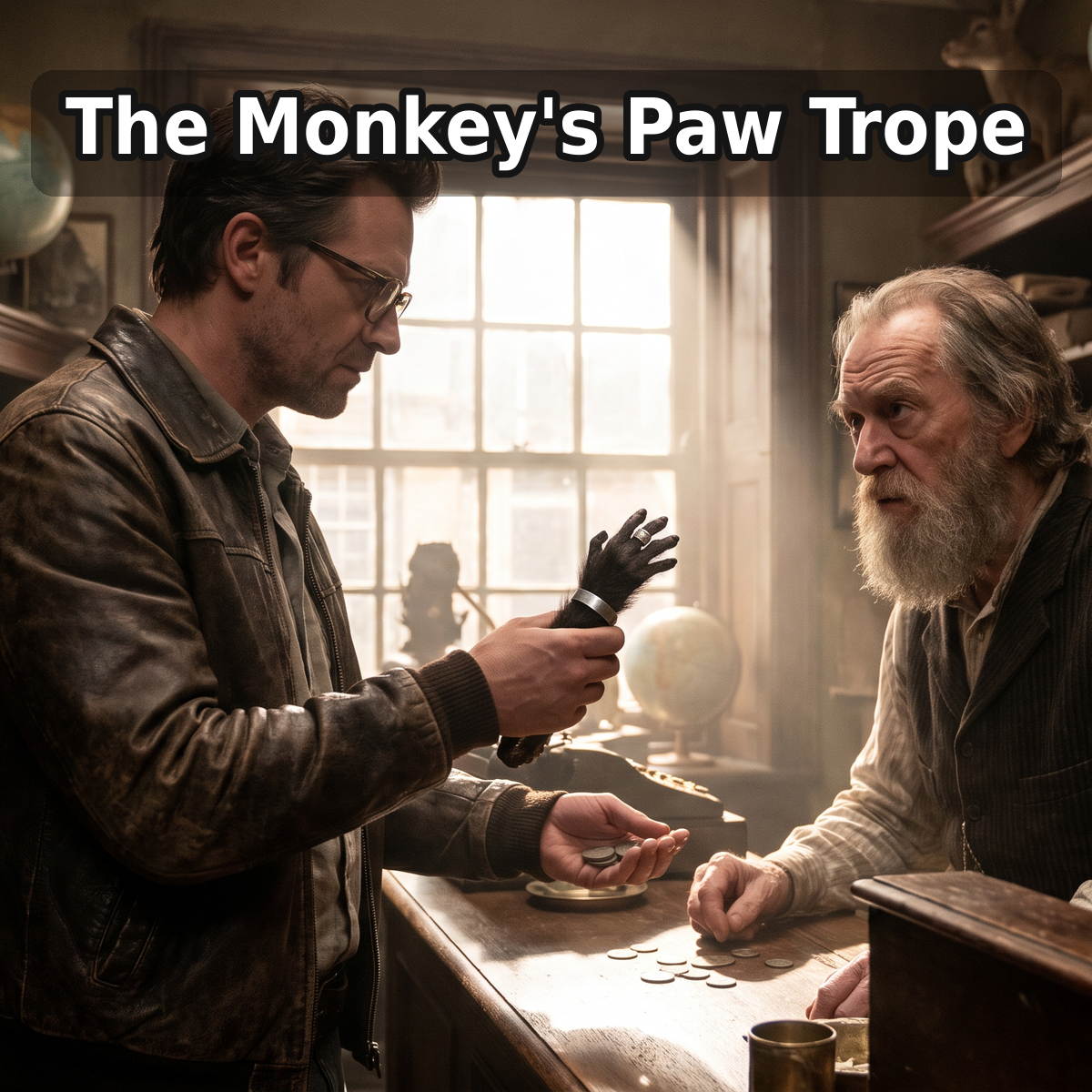
The author reflects on the “Monkey’s Paw” trope, where wishes come true with unforeseen negative consequences, drawing parallels to a movie and the original short story. He connects this to his personal experience with a 365-day commitment, noting that half-hearted commitments led to undesirable outcomes, much like a monkey’s paw.
Day 364 – The Evil Word Problem
This article humorously reflects on the challenges of word problems in math, from childhood experiences to current educational approaches. It highlights the difference between procedural competence and conceptual understanding, suggesting that modern word problems aim to foster deeper thinking.

Day 363 – Make the World Smaller
The author finds that thinking about everything they have to do creates significant stress, even if individual tasks aren’t overwhelming. They propose compartmentalizing their world, focusing on one task at a time, which helps manage the emotional weight of multiple responsibilities and allows for full attention on the current engagement.
Day 362 – Resilience as Portfolio
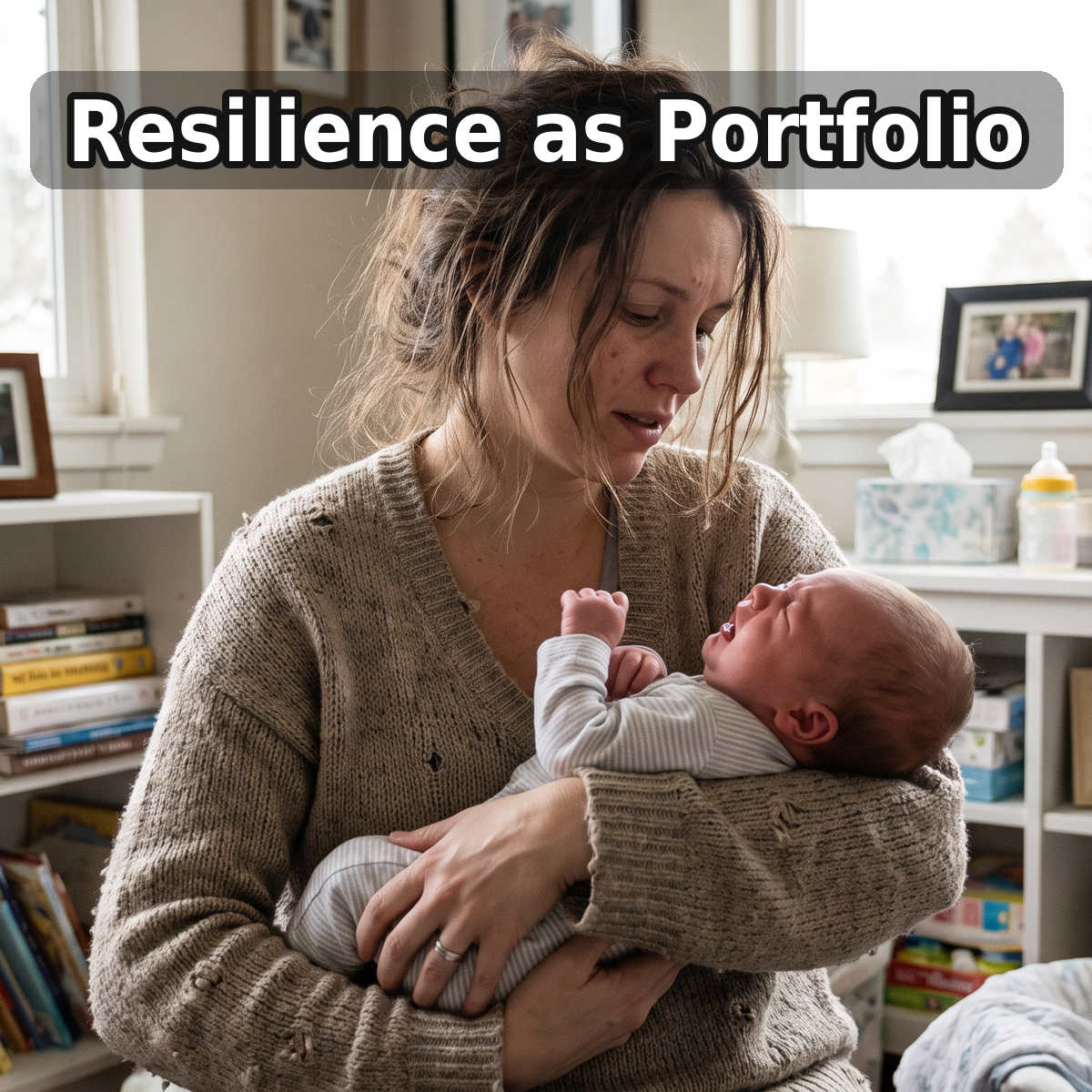
This piece, titled “Day 362 – Resilience as Portfolio” by Guy Reams, explores the concept of resilience in a comprehensive manner, suggesting it can be viewed as a portfolio of diverse strategies and resources.
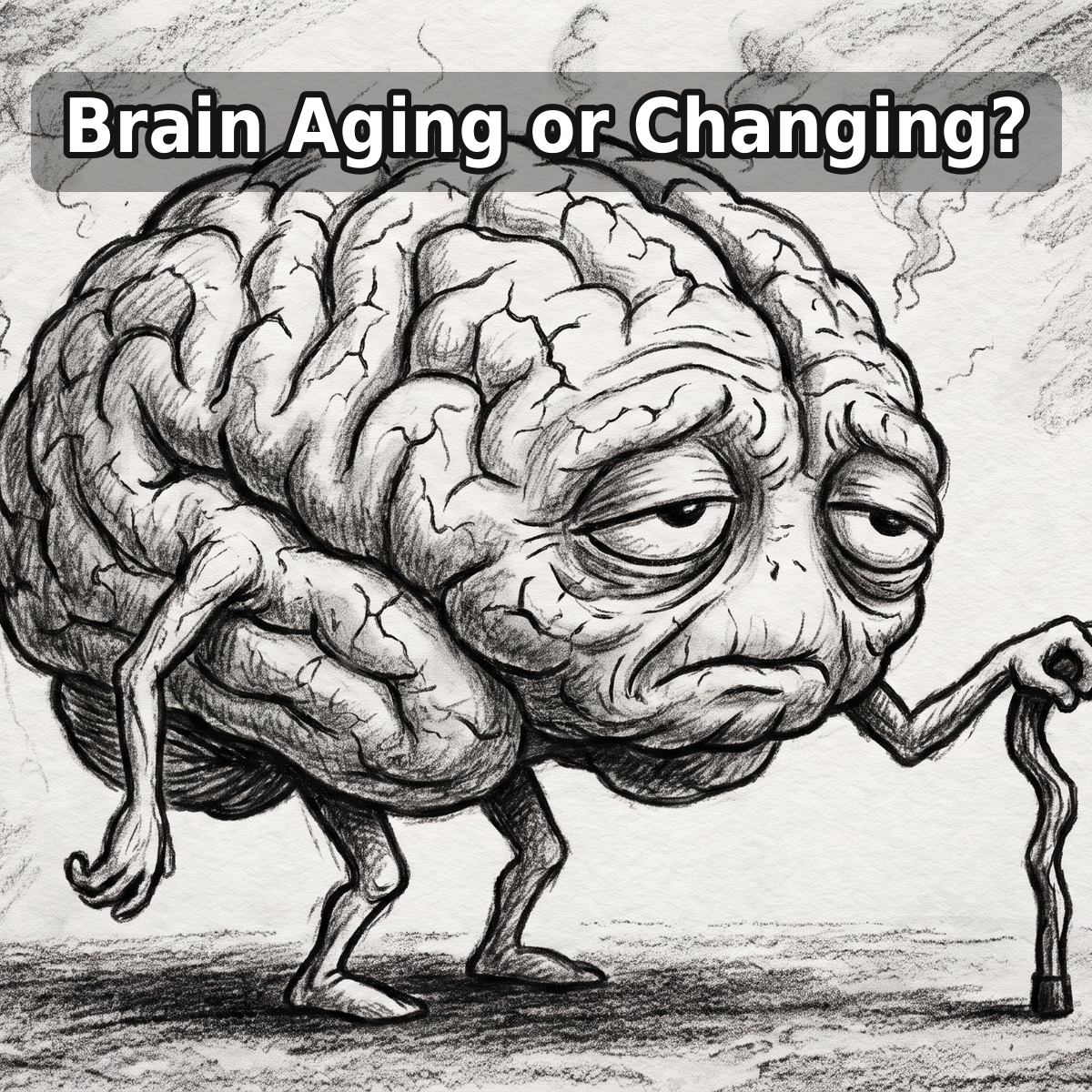
Day 361 – Is the Brain Getting Old or Just Changing?
As we age, our brains may shift from remembering every detail to focusing on meaning and wisdom. This natural cognitive shift, supported by research from the University of Arizona, suggests that difficulty recalling minutiae isn’t a sign of decline but an adaptation towards higher-order thinking.
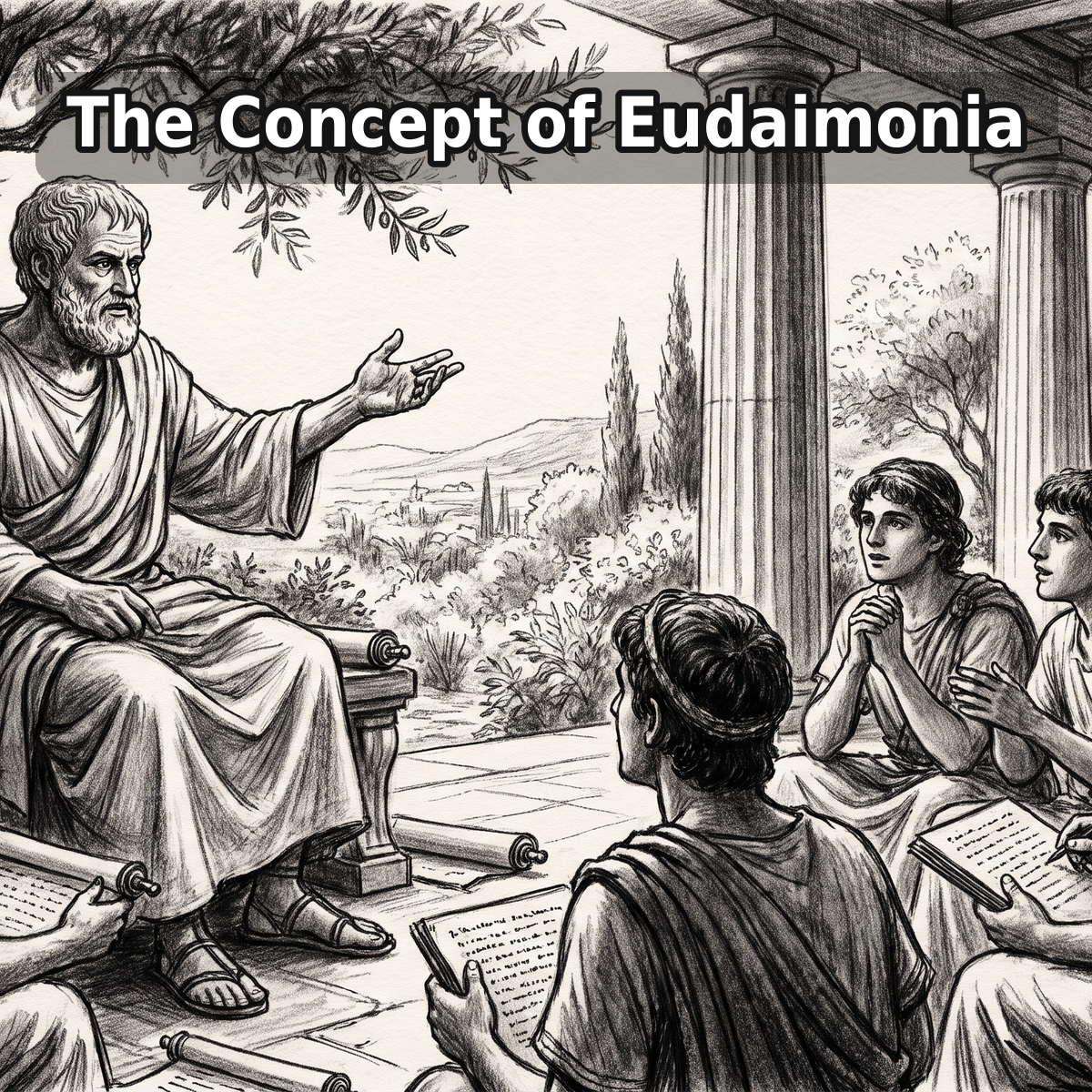
Day 360 – The Concept of Eudaimonia
Aristotle’s concept of eudaimonia, or the highest human good, suggests that true happiness comes from aligning our actions with our cherished virtues over a sustained period, rather than from fleeting pleasures. This involves living a life that feels purposeful and authentic, even through struggles.
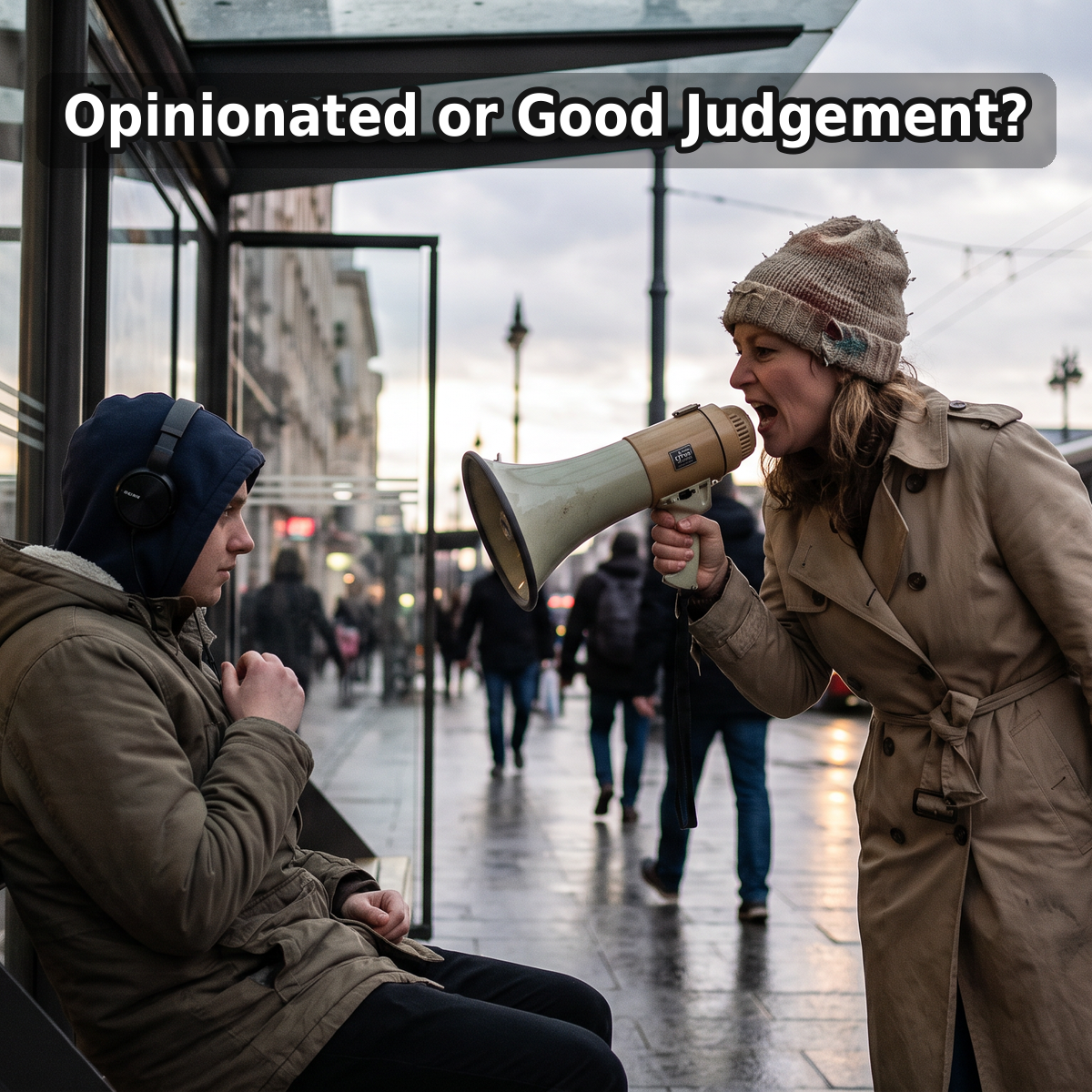
Day 359 – Opinionated or Good Judgement?
The distinction between having an opinion and being opinionated lies in how strongly and frequently one expresses their views, and their openness to others’ perspectives. While strong opinions can be admired when backed by expertise, constant and forceful expression across various topics can be perceived as arrogance or exhausting. The key to being seen as having good judgment rather than being opinionated is to deliver opinions appropriately and remain open to new evidence.
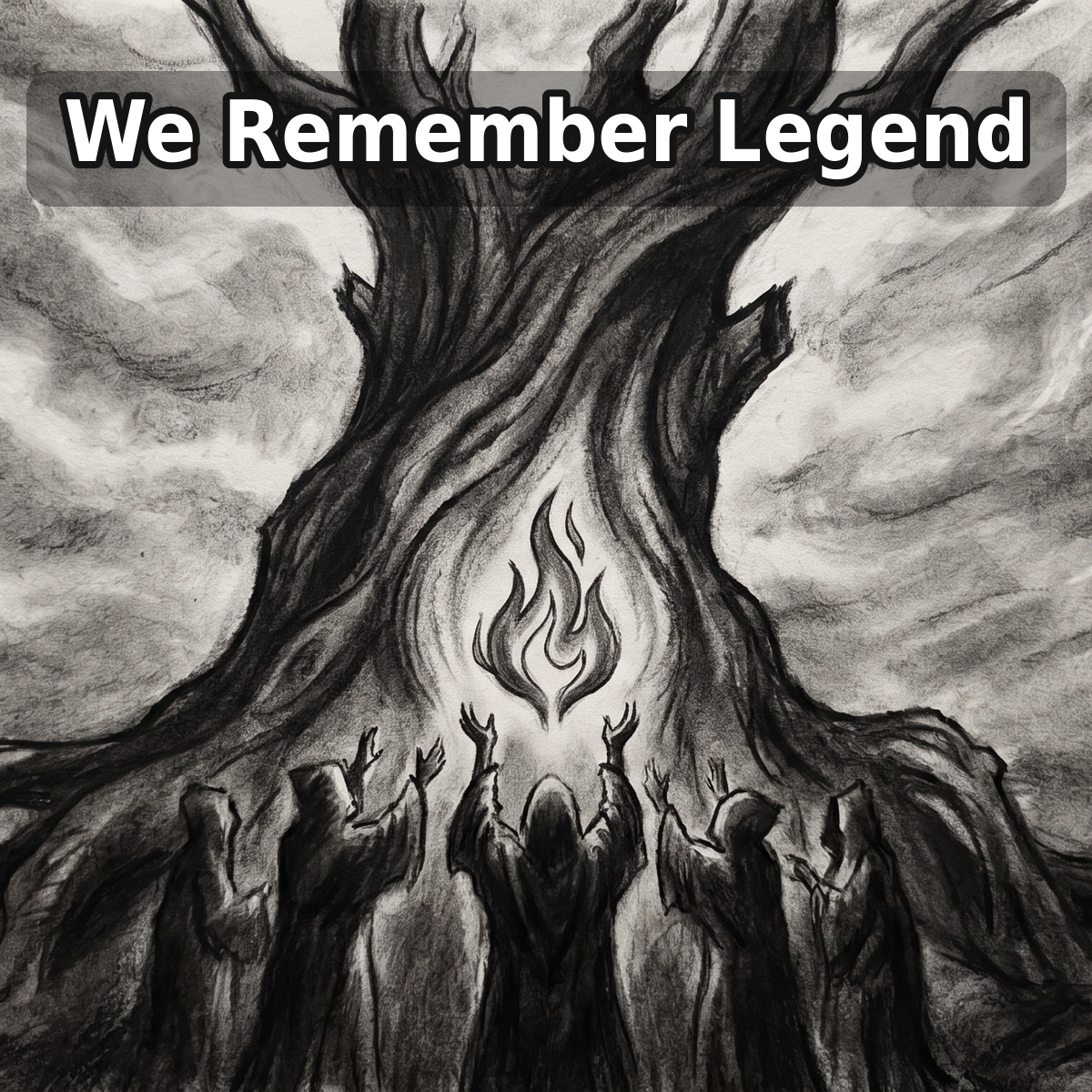
Day 358 – We Remember Legend
This article explores the concept of legend versus history, arguing that legends are what people choose to remember and retell over generations. Using the story of Noah’s Ark as an example, it discusses how historical events can become exaggerated and imbued with cultural meaning, posing the question of what makes a legend meaningful enough to endure. The author also reflects on personal and family legends, and contemplates what actions in their own life might become legendary for future generations.
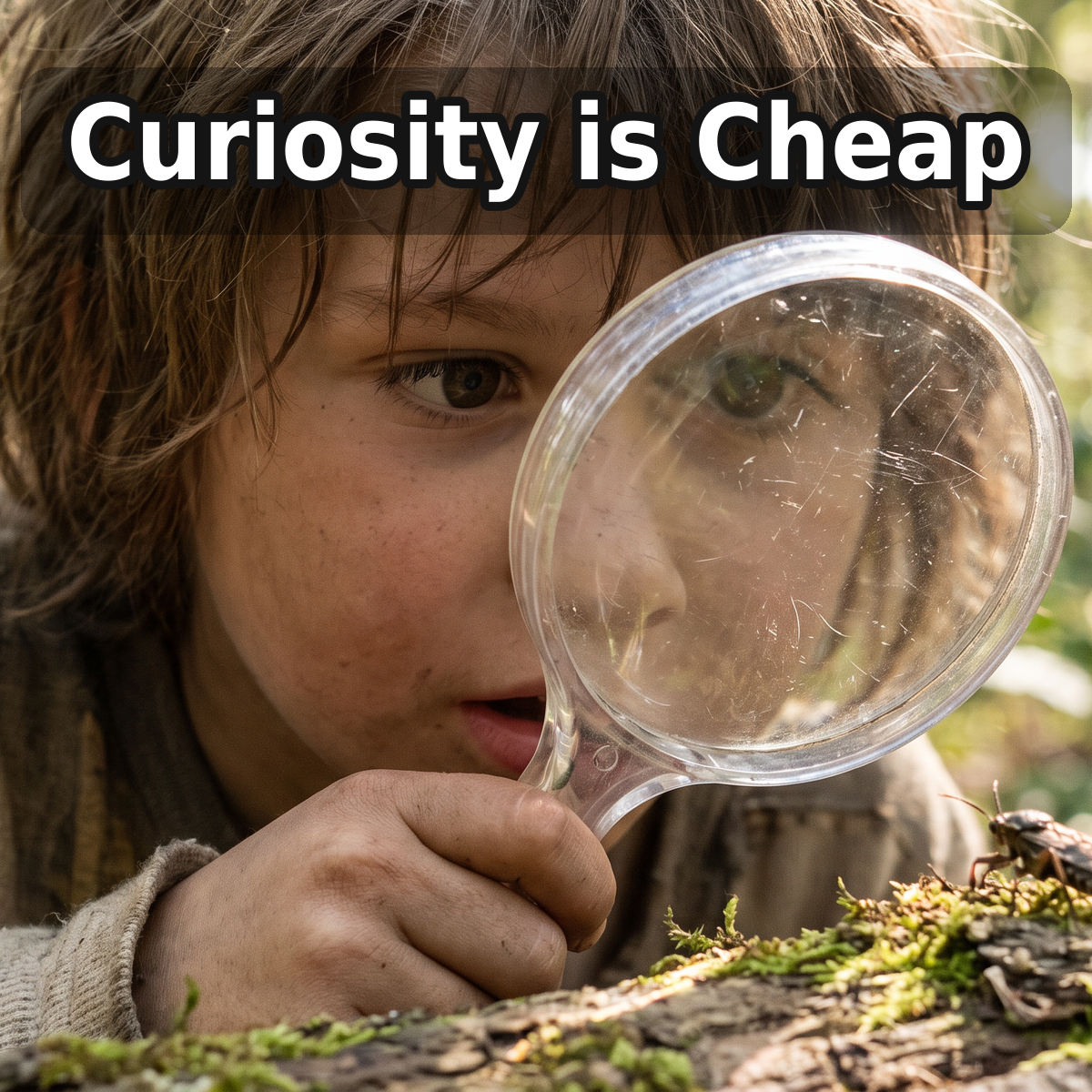
Day 357 – Curiosity is Cheap
This article explores the challenges introverts face with draining conversations and offers a solution: embracing curiosity. By shifting from feeling the need to “perform” in conversations to simply being curious and asking questions, the perceived energy cost of interactions can be significantly reduced, fostering better relationships.
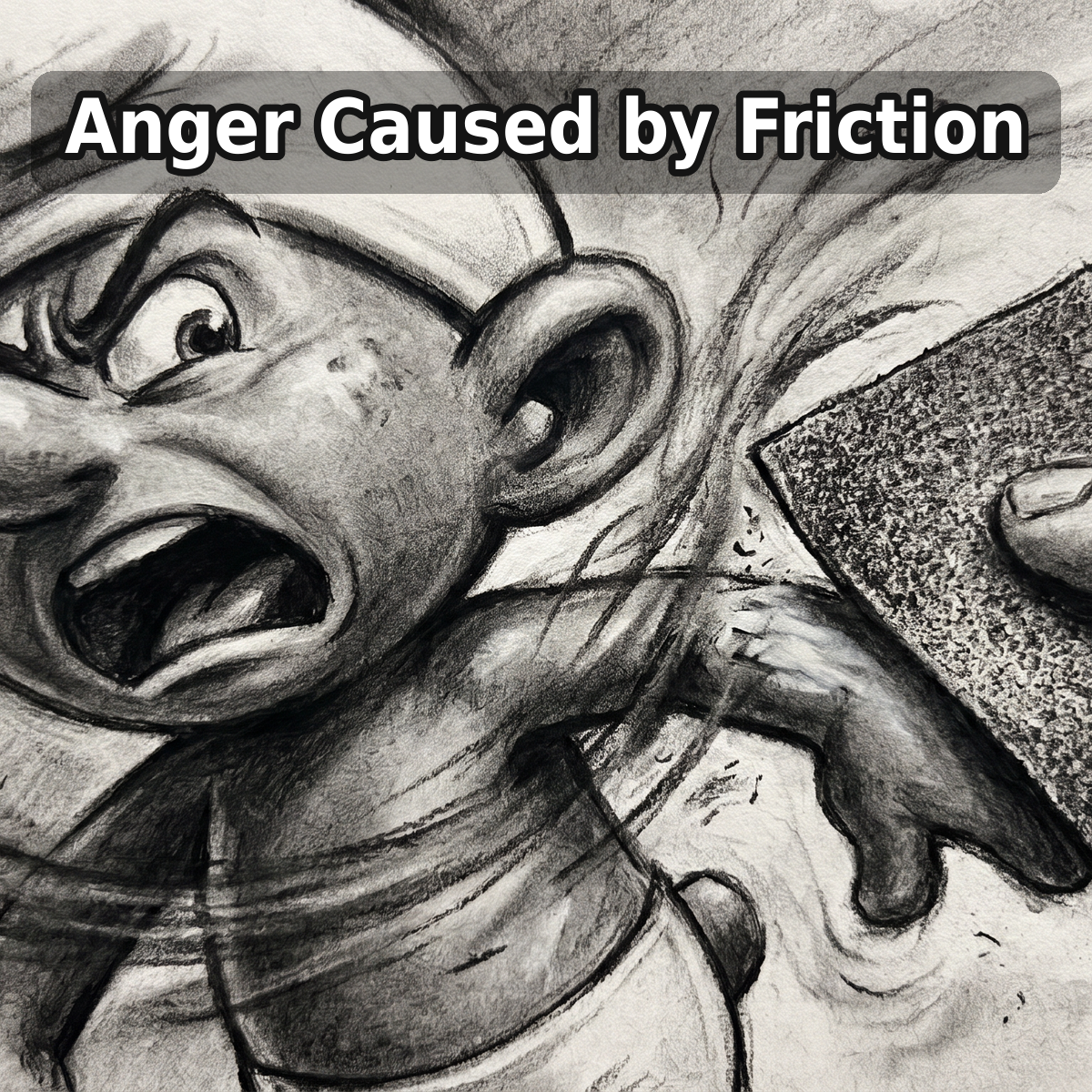
Day 356 – Anger Caused by Friction
The author explores the emotion of aggravation, defining it as a low form of anger caused by friction. They propose an escalation pattern for anger, starting from friction and leading to full-blown anger. The core idea is that aggravation arises when one repeatedly spends attention on something they believe doesn’t deserve it.
What People Are Saying