Daily Blog
My commitment to write a daily blog since January 7th, 2018
The Latest Blog
2024
2023
2022
2021
2020
2019
2018

Join the Weekly 365 Newsletter to gain inspiration to make and keep your commitments!
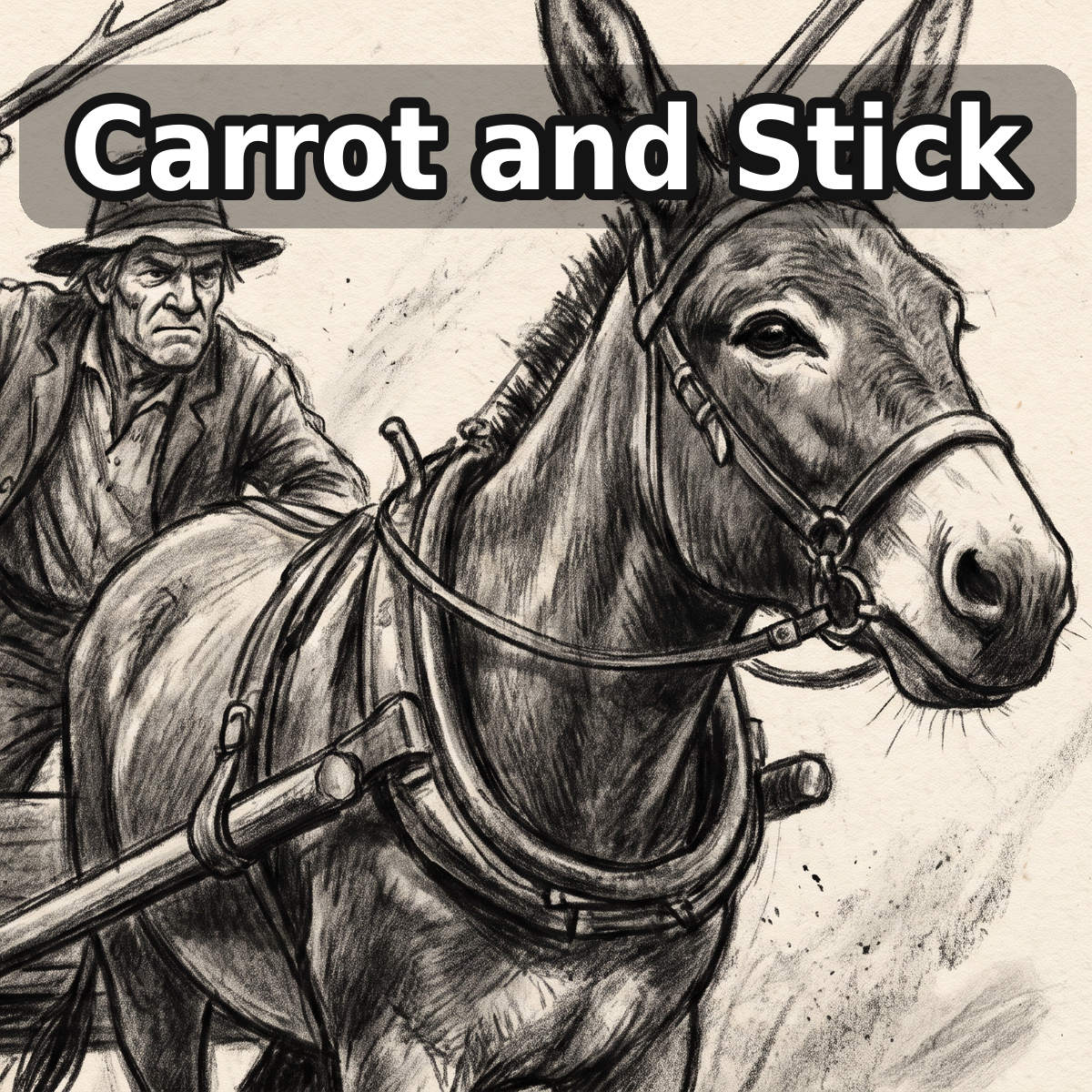
Day 299 – Using a Carrot or a Stick
This article explores the effectiveness of traditional motivational methods like the “carrot and stick” approach and argues for a more nuanced strategy. It emphasizes understanding individual motivations, setting clear goals, fostering autonomy, and leading by example to genuinely inspire harder work.

Day 298 – My First Zep Song
The author recounts their first encounter with Led Zeppelin, a pivotal moment in high school when a friend handed them a cassette tape. Despite initial confusion about the band’s albums, the song “D’yer Mak’er” from *Houses of the Holy* captivated them, marking their entry into the world of rock and roll.

Day 297 – Finding Solace
The author discusses experiencing cyclical periods of melancholy, which he distinguishes from depression, viewing them as transitional phases. He shares insights from a prison psychiatrist who emphasized managing reactions to these mood changes rather than viewing them as inherently problematic. The author’s strategy involves recognizing these feelings without judgment, continuing commitments despite them, and refraining from making major decisions during these low periods, which has led to shorter and less intense cycles over time.

Day 296 – Our Cyclical Nature
This article explores the idea that human physiology and mood patterns are deeply influenced by ancient evolutionary cycles, similar to a bear’s hibernation and feasting. It suggests that modern life creates a mismatch with these ingrained rhythms, leading to struggles like seasonal mood changes. The author proposes acknowledging and understanding these natural ebbs and flows for a more harmonious life.

Day 295 – Don’t Give Up on Us
This piece offers encouragement to those who consistently choose goodness despite human flaws like lying, cheating, and selfishness. It acknowledges the ingratitude and disappointment they may face but emphasizes their crucial role in preventing humanity’s moral collapse. The author expresses gratitude and admiration for their unwavering mercy and hope, urging them not to give up.

Day 294 – Heaping on Value
This article explores the concept of value proposition, emphasizing that value is subjective and deeply personal. It highlights the importance of understanding individual needs and tailoring communication to resonate with them, suggesting a strategic approach of starting with a succinct description to gauge initial reactions and refine subsequent communication.

Day 293 – For What It’s Worth
This piece explores the common phrase “for what it’s worth,” examining its linguistic function as a humble preface to opinions or information. It delves into the phrase’s historical origins, tracing its use back to the 1830s, and its popularization through Buffalo Springfield’s 1966 hit song, “For What It’s Worth (Stop, Hey What’s That Sound).” The article concludes by highlighting the phrase’s role in fostering modest and open communication.

Day 292 – It is Crazy Until it Works
True innovation often faces initial skepticism and ridicule, with history showing many groundbreaking ideas were once dismissed as ‘crazy.’ This pattern reveals that success often comes to those willing to take risks and challenge conventional thinking, even if it means a lonely and difficult path.

Day 291 – God is Not a Slot Machine
This article explores the transactional nature many people adopt in their relationship with God, comparing it to a child’s bargaining with parents. It suggests that a more effective approach involves humility, fulfilling responsibilities, and trusting in divine provision, much like a child learns to trust their parents.
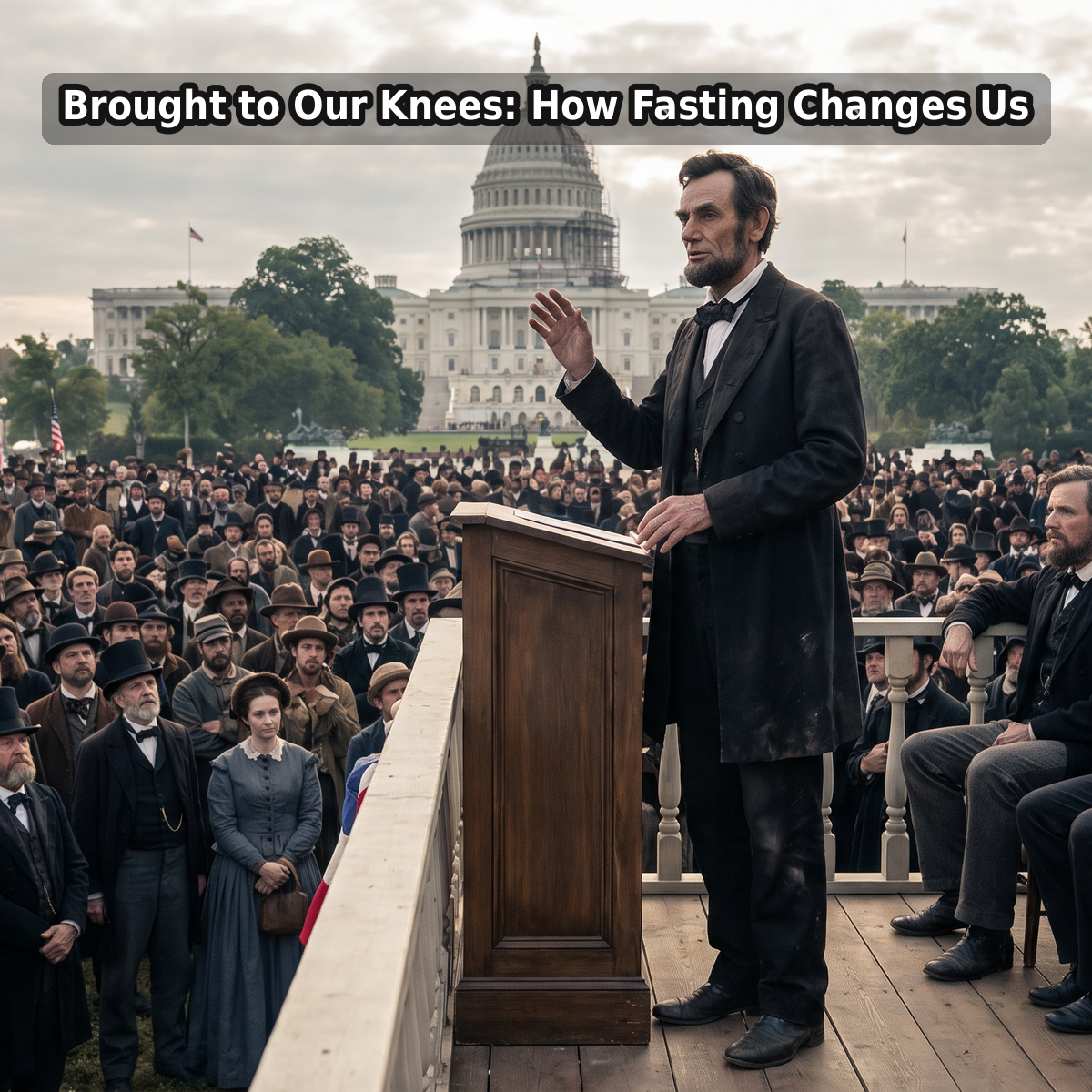
Day 290 – Brought to Our Knees: How Fasting Changes Us
This piece explores how the immense burden of the Civil War, particularly the devastating Battle of Chancellorsville, profoundly transformed Abraham Lincoln. It highlights his call for a national day of humiliation, fasting, and prayer, and how this act, though followed by immediate disaster, preceded a dramatic shift in the war’s direction. The article concludes by reflecting on the personal transformation that sincere fasting can bring, drawing parallels to Lincoln’s own journey of humility and submission to divine will.
What People Are Saying