
Daily Blog
My commitment to write a daily blog since January 7th, 2018
The Latest Blog
2024
2023
2022
2021
2020
2019
2018

Join the Weekly 365 Newsletter to gain inspiration to make and keep your commitments!

Day 353 – les Lumières
Immanuel Kant’s 1784 essay, “What is enlightenment?” marked the end of an era, much like we might be at the cusp of a new one today. The Enlightenment, characterized by reason and a departure from superstition, was known as *les Lumières* by the French and *Aufklärung* by the Germans. We are now entering an “Age of Knowledge” where access to information is ubiquitous, shifting the focus from acquiring knowledge to exercising judgment.
Day 352 – Habits are Foundation
This article discusses the importance of developing habits for personal transformation. It emphasizes that consistent, small habits lead to inevitable success and reduce reliance on motivation or discipline. The key is to engage in the principal action related to your desired outcome every day, as repetition is the best way to fix behavior.
Day 351 – The Real Risk is Not the Start
Many people fear starting new initiatives due to the perceived risk of initial failure. However, the beginning often offers easy gains and quick successes. The real challenge arises after these initial successes, when progress plateaus and requires significantly more effort, skill, or a change in strategy.

Day 350 – Learning to Triangulate
The article explains the concept of triangulation, drawing parallels between its use in surveying and navigation to its application in evaluating information. It emphasizes the importance of cross-referencing multiple independent sources to determine truth, especially in an age of misinformation and AI-generated content. The author argues that accepting information at face value is no longer viable and that triangulation should become a default reaction.
Day 349 – The Practice of Conceptual Decomposition
This article explores the author’s accidental discovery of conceptual decomposition as a superpower. Initially used to overcome learning difficulties, this method of breaking down complex systems into understandable parts proved invaluable in their career, particularly in teaching and computer science. The author advocates for applying this technique when interacting with AI to achieve more accurate and reliable results.

Day 348 – First Things First
The author shares their experience of maintaining seven daily habits for over 3,181 days, emphasizing the importance of doing crucial tasks first thing in the morning. They advise tackling life-changing habits immediately upon waking to avoid procrastination and increase the likelihood of completion, drawing on personal examples like early morning runs.
Day 347 – What is ‘having faith?’
A spiritual leader’s daily ritual of questioning his beliefs profoundly impacted the author, leading to a decades-long quest to understand the true meaning of faith. The author concludes that faith is not mere belief, but rather an active pursuit in the absence of proof, contrasting it with complacency that can arise from dormant beliefs.
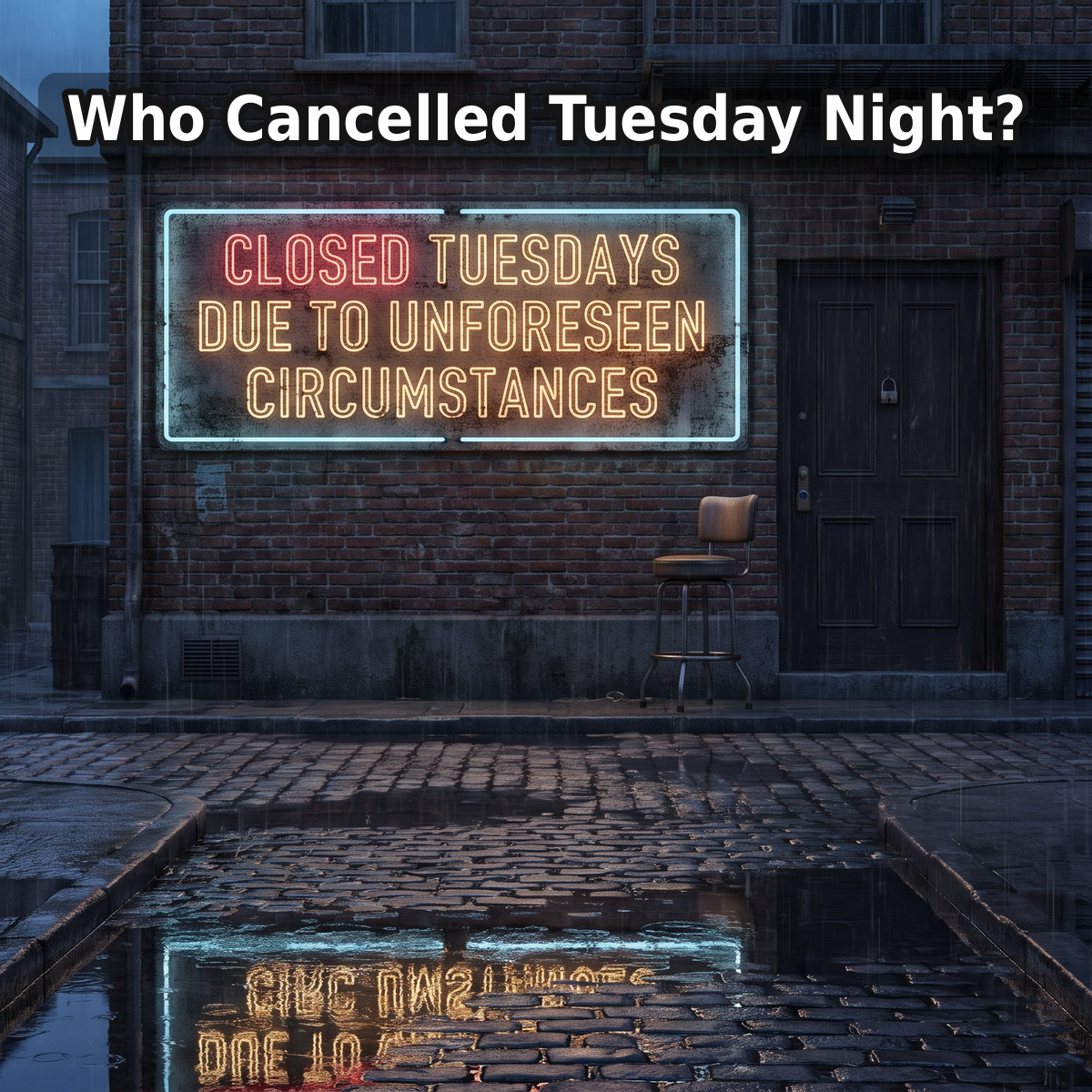
Day 346 – Who Cancelled Tuesday Night?
This article reflects on the decline of community activities like bowling leagues, block parties, and church gatherings, and how these seemingly ordinary events fostered repeated human contact and built relationships. The author suggests that modern conveniences, while useful, have inadvertently dismantled the ‘machinery that manufactured relationships,’ leading to a sense of disconnect despite constant communication.

Relaxing is Changing State
Relaxing isn’t about passive consumption, but actively changing your brain’s state. This involves stopping information intake, engaging in physical activity outdoors, and shifting focus from narrow details to broad natural elements. The goal is to clear mental clutter and allow your mind to reset, often leading to renewed productivity.
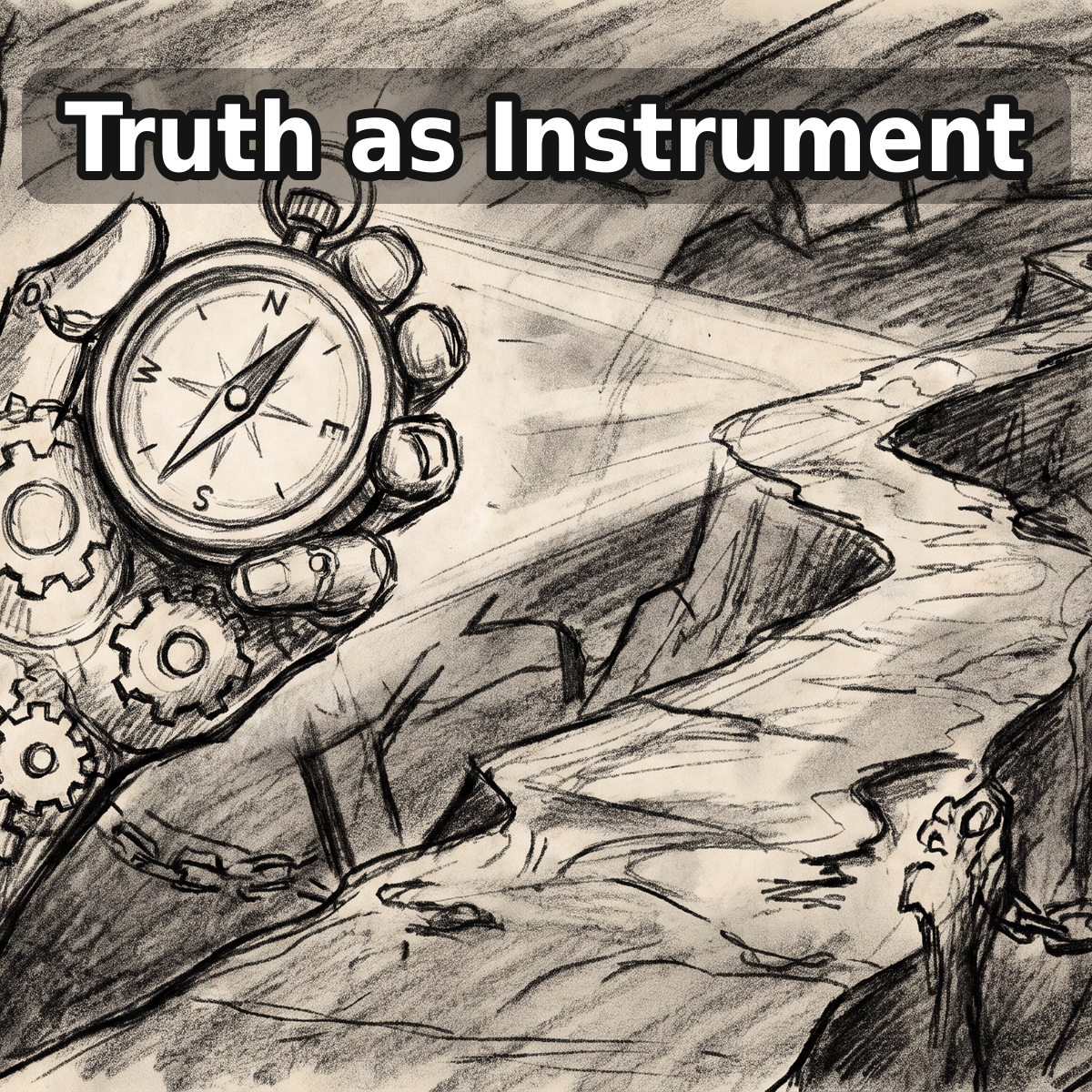
Day 344 – Truth as Instrument
This article explores the concept of individuals who manipulate truth to serve their own interests, distinguishing it from relativism. It delves into the personal and social implications of encountering such people, drawing parallels with childhood development and a personal anecdote about teaching chess. The author reflects on the challenges of dealing with those who view truth as an instrument and offers advice on identifying such behavior early in relationships.
What People Are Saying